The Geopolitical Divide of the World: How Global Trade, Logistics and Exports Are Changing
Despite growing uncertainty, new conditions offer new opportunities.
Until a few years ago, the global economy was evolving along the lines of globalization, with companies freely locating production in different countries, goods flowing seamlessly across borders, and international supply chains becoming increasingly efficient.
Today, the situation has changed dramatically.
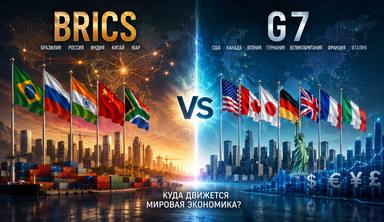
Geopolitical tensions, trade restrictions, sanctions policies, technological competition and states’ desire to reduce dependence on foreign suppliers are forming a new model of the global economy. Increasingly, experts are not talking about temporary changes, but about a long-term geopolitical split that affects almost every industry, from agriculture and energy to microelectronics and international logistics.
What Geopolitical Divide Means
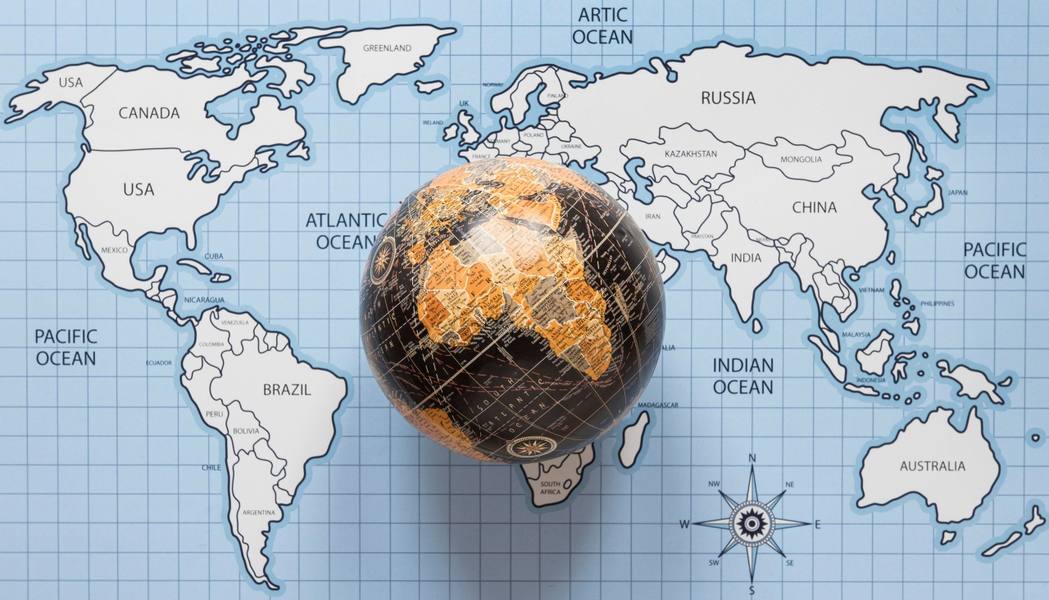
The geopolitical split is understood as the gradual division of the world economy into several major centers of influence, each of which seeks to build its own production, financial and trade ties.
States increasingly make decisions based not only on economic benefits but also on national security, technological sovereignty and the sustainability of critical industries.
As a result, traditional supply routes are changing, new trade unions are emerging, and companies are forced to adapt their strategies to rapidly changing conditions.
Globalization is giving way to regionalization
If earlier the main task of business was to reduce costs by locating production in the most profitable countries, today the sustainability of supply chains comes to the fore.
Companies increasingly adhere to the following principles:
- diversification of suppliers;
- creation of regional production clusters;
- Reducing dependence on one market;
- formation of reserve logistics routes;
- localization of individual production processes.
This approach reduces the risks associated with political restrictions, transport disruptions and changes in foreign trade rules.
New map of global logistics
The changes are particularly noticeable in international transport.
Companies are actively rebuilding delivery routes, developing alternative transport corridors and looking for new partners.
Increasingly important are:
- multimodal transport;
- land transport routes;
- development of port infrastructure;
- new international logistics hubs;
- Digitalization of supply management processes.
Logistics becomes not just a service, but a strategic element of business competitiveness.
Why Businesses Need to Change Their Strategy
Until recently, many companies worked on the principle of “just in time”, minimizing inventory.
Today, another model is increasingly used – the creation of insurance reserves and reserve suppliers.
This increases costs, but at the same time reduces the likelihood of production stopping in the event of external constraints.
For exporters and importers, risk management is becoming a major concern.
Who benefits from change
Despite the growing uncertainty, the new conditions offer additional opportunities.
Potential benefits include:
- development of new export directions;
- Increasing the role of countries that can become logistics bridges between regions.
- Increased demand for international logistics services;
- development of domestic production;
- Accelerating the digital transformation of business.
Companies that quickly adapt to new conditions gain a competitive advantage.
Which industries feel the most change
The restructuring of the global economy has already affected almost all key sectors.
Particularly noticeable changes occur in:
- agriculture;
- grain trade;
- energy;
- microelectronics;
- automotive industry;
- navigation;
- container logistics;
- Production of industrial equipment.
In many cases, companies are forced to look for new suppliers of raw materials, equipment and components, as well as to review export markets.
What this means for exporters
For foreign economic actors, the new reality requires greater flexibility.
Today, it is not enough to have a high-quality product – it is necessary to understand the characteristics of different markets, take into account changes in regulatory requirements, work out alternative supply routes in advance and diversify the customer base.
Analytics, risk management and the ability to adapt quickly to change are becoming increasingly important.
Prospects for world trade
Most experts agree that a return to the old model of globalization should not be expected in the coming years.
The global economy will continue to develop in the context of the formation of several major economic centers, between which active trade will remain, but at the same time the requirements for technological independence, security of supply and sustainability of logistics chains will increase.
For business, the key to success will be the ability to respond quickly to change and build long-term strategies in line with the new global architecture.
Outcomes
Geopolitical divisions have ceased to be exclusively the subject of international politics. Today, it directly affects transportation costs, supply routes, investment decisions, export strategies and the operations of thousands of companies around the world.
For business, the new era means not only additional challenges, but also the emergence of new opportunities. The winners will be those companies that can adapt their supply chains in advance, diversify their markets and build a stable system of international cooperation regardless of the changing geopolitical environment.