Procurement market: current state and prospects

The procurement market is undergoing major changes due to digitalization, globalization and the increasing role of sustainable development.
Рынок закупок является неотъемлемой частью мировой экономики, обеспечивая эффективное распределение ресурсов между предприятиями, государственными структурами и потребителями. В последние годы закупочная деятельность претерпела значительные изменения, обусловленные цифровизацией, глобализацией и новыми экономическими вызовами. В данной статье мы рассмотрим ключевые тенденции, статистику по крупнейшим странам и прогнозы развития мирового рынка закупок.
Глобальные тенденции на рынке закупок
Современный рынок закупок переживает трансформацию, обусловленную следующими факторами:
Цифровизация и автоматизация
Электронные платформы и технологии искусственного интеллекта (ИИ) значительно упростили процессы закупок, сделав их более прозрачными и эффективными. В 2023 году объем мирового рынка электронных закупок составил более 10 трлн долларов США, что на 15% больше, чем в 2022 году.
Устойчивое развитие и "зеленые" закупки
Компании и государственные организации все чаще внедряют экологически чистые и социально ответственные практики в свои закупочные стратегии. Например, в странах ЕС около 30% государственных закупок приходится на товары и услуги с низким углеродным следом.
Глобализация и диверсификация цепочек поставок
Из-за геополитических изменений и торговых войн многие компании пересматривают свои цепочки поставок, чтобы снизить зависимость от одной страны. Так, 70% мировых компаний планируют диверсифицировать закупки до 2025 года.
Рост рынка аутсорсинга закупок
Компании все чаще передают закупочные процессы специализированным агентствам. По прогнозам, объем мирового рынка аутсорсинга закупок увеличится с 5,08 млрд долларов США в 2024 году до 7,5 млрд долларов к 2031 году.
Статистика по крупнейшим странам
Рассмотрим ключевые показатели закупочной деятельности в ведущих экономиках мира.
Соединенные Штаты Америки (США)
- Общий объем закупок: 9,7 трлн долларов США (2023 г.)
- Государственные закупки: около 1,8 трлн долларов США
- Доля ВВП, приходящаяся на закупки: примерно 40%
- Основные направления: оборона, здравоохранение, строительство
Китай
- Общий объем закупок: 7,2 трлн долларов США (2023 г.)
- Доля государственных закупок в ВВП: около 20%
- Важные отрасли: производство, инфраструктурные проекты, технологии
- В 2022 году Китай осуществил более 5400 мер субсидирования для поддержки своих производителей
Европейский Союз (ЕС)
- Общий объем закупок: 7,5 трлн евро (2023 г.)
- Государственные закупки: около 14% ВВП стран ЕС
- 70% закупок в крупных объединениях осуществляется вне режима ЕС
- Основные направления: устойчивое развитие, цифровые технологии, медицина
Япония
- Общий объем закупок: 1,8 трлн долларов США (2023 г.)
- Доля закупок в ВВП: около 30%
- Важные отрасли: автомобилестроение, электроника, инновационные технологии
Индия
- Общий объем закупок: 1,2 трлн долларов США (2023 г.)
- Доля государственных закупок в ВВП: около 18%
- Активное развитие государственных электронных торговых площадок (GeM) увеличило прозрачность закупок
Развитие электронных закупок
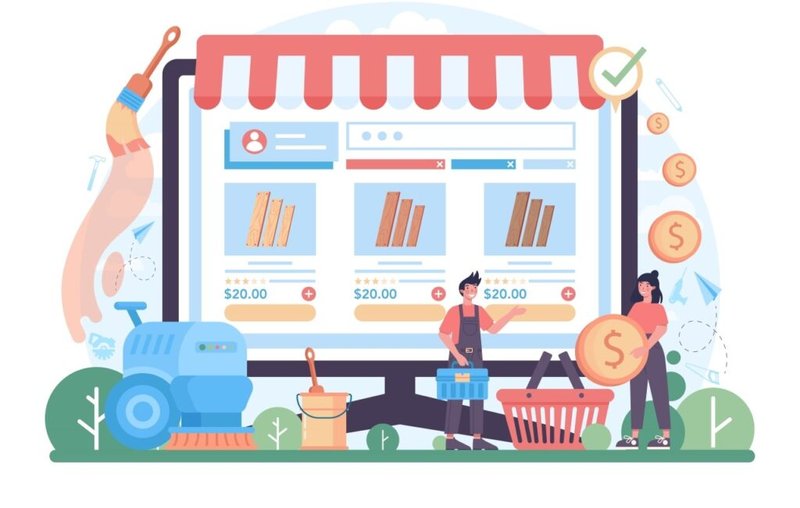
Цифровые технологии продолжают оказывать влияние на рынок закупок. В 2024 году глобальный рынок электронных торговых площадок оценивается в 30 млрд долларов США, и ожидается его рост до 50 млрд долларов к 2030 году.
Ключевые платформы и технологии:
- SAP Ariba (Глобальная)
- Alibaba B2B Marketplace (Китай)
- GeM (Индия)
- TenderBoard (Сингапур)
- ProZorro (Украина)
Преимущества цифровизации закупок:
- Снижение транзакционных издержек на 25-30%
- Повышение прозрачности и борьба с коррупцией
- Автоматизация процессов согласования и отчетности
Перспективы развития рынка закупок
С учетом глобальных изменений можно выделить несколько ключевых прогнозов для рынка закупок:
- Рост объемов закупок: в среднем на 5-7% ежегодно за счет увеличения потребности в ресурсах и технологиях.
- Увеличение доли "зеленых" закупок: к 2030 году более 50% государственных закупок в развитых странах будут ориентированы на устойчивые товары и услуги.
- Интеграция искусственного интеллекта (ИИ): к 2028 году более 80% закупочных решений будут приниматься с использованием ИИ и машинного обучения.
- Рост рынка электронных тендеров: к 2035 году более 90% закупок в мире будут осуществляться через цифровые платформы.
Рынок закупок переживает масштабные изменения, обусловленные цифровизацией, глобализацией и усилением роли устойчивого развития. Крупнейшие экономики мира активно модернизируют закупочные процессы, внедряя инновационные технологии и новые стратегии управления цепочками поставок.
Согласно прогнозам, в ближайшие годы цифровизация закупок, экологические стандарты и автоматизация будут определять развитие отрасли. Для компаний и государственных организаций важно адаптироваться к новым реалиям, чтобы повысить эффективность и конкурентоспособность на рынке закупок.Совет: Организациям, работающим в сфере закупок, следует активно внедрять цифровые инструменты, следить за глобальными тенденциями и адаптировать стратегии управления цепочками поставок в соответствии с современными вызовами.