Sales market: prospects and features
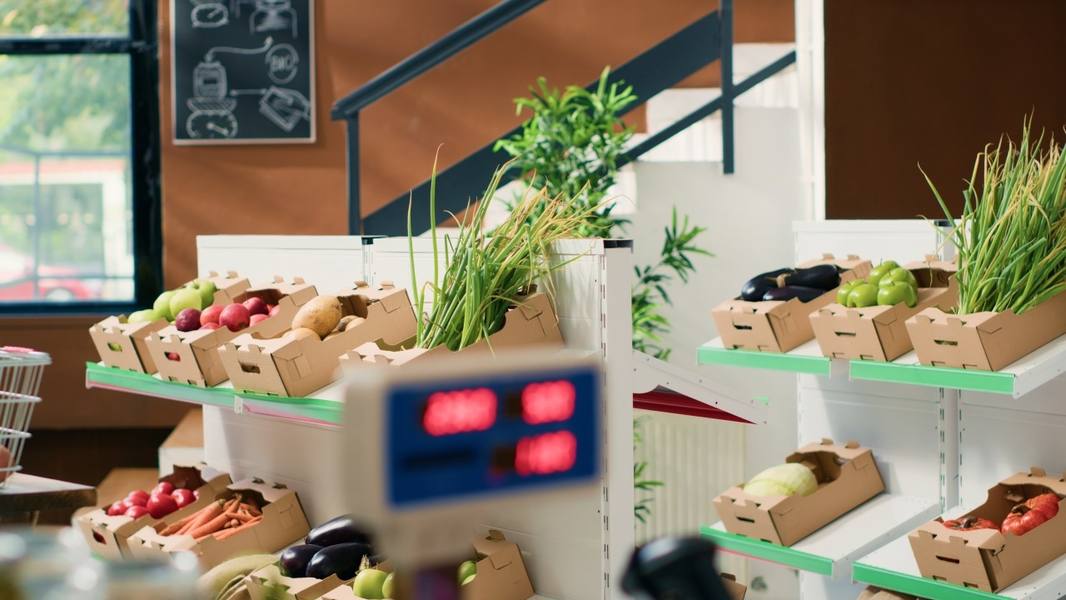
The sales market is a dynamic system that adapts to changing conditions: digitalization, globalization and changes in consumer behavior.
Рынок сбыта — это важнейшая составляющая любой экономической системы. Он включает в себя совокупность потребителей и механизмов, благодаря которым товары и услуги находят своих покупателей. В этой статье мы рассмотрим понятие рынка сбыта, его ключевые особенности, мировые тенденции и приведем примеры из разных стран.
Что такое рынок сбыта?
Рынок сбыта представляет собой место встречи продавцов и покупателей, где осуществляется обмен товаров, услуг или идей на деньги или другие ценности. Эффективный рынок сбыта играет ключевую роль в достижении успеха компаний, поскольку он напрямую связан с реализацией продукции и обеспечением доходов.
Основные составляющие рынка сбыта:
- Потребители — конечные покупатели товаров или услуг.
- Продавцы — компании или индивидуальные предприниматели, которые предлагают продукцию.
- Конкуренция — соперничество между продавцами за внимание и ресурсы потребителей.
Мировая статистика и тенденции
1. Рост глобального рынка
Согласно отчету McKinsey & Company, мировой рынок потребительских товаров в 2023 году оценивался примерно в 25 триллионов долларов США. Прогнозируется, что к 2030 году эта цифра вырастет до 40 триллионов долларов, что связано с увеличением численности населения и ростом доходов в развивающихся странах.
2. Основные регионы потребления
- Северная Америка: США и Канада остаются крупнейшими рынками, с совокупной покупательной способностью более 16 трлн долларов.
- Европа: Германия, Франция и Великобритания лидируют в области потребления в ЕС. Например, объем розничной торговли в Германии в 2023 году составил 600 млрд евро.
- Азия: Китай, Индия и Юго-Восточная Азия демонстрируют стремительный рост. Только китайский рынок потребительских товаров оценивается более чем в 6 триллионов долларов.
3. Электронная коммерция
Электронная коммерция стала важнейшим драйвером мирового рынка сбыта. По данным Statista, глобальные онлайн-продажи в 2023 году превысили 5,5 трлн долларов, что составляет почти 22% от общего объема розничной торговли. Лидеры:
- Китай (платформы: Alibaba, JD.com).
- США (Amazon, eBay).
- Европа (Zalando, ASOS).
4. Популярные категории товаров
- Электроника и бытовая техника — около 28% мирового рынка электронной коммерции.
- Мода и одежда — 20%.
- Продукты питания — рынок активно растет, особенно в сегменте доставки.
Примеры рынков сбыта в разных странах
1. Россия: разнообразие и ориентация на внутренний рынок
Рынок сбыта в России отличается своим масштабом, разнообразием и ориентацией на внутреннее потребление, что обусловлено большой территорией, различными климатическими условиями и культурными особенностями.
Основные особенности
- Большой внутренний рынок: Население России превышает 140 миллионов человек, что создает значительный спрос на продукты и услуги в различных категориях.
- Сырьевая ориентация: Многочисленные предприятия ориентированы на производство и сбыт товаров, связанных с добычей природных ресурсов, включая нефть, газ и металлы.
- Растущий сектор электронной коммерции: Онлайн-торговля активно развивается и набирает популярность среди населения, особенно в регионах.
- Сложная логистика: Большая территория и неравномерное развитие инфраструктуры создают вызовы в распределении товаров.
Пример: «Яндекс.Маркет» и Wildberries
Крупные игроки электронной коммерции, такие как Wildberries и «Яндекс.Маркет», активно используют рынок сбыта России. Например, Wildberries, крупнейший онлайн-ритейлер в стране, ежегодно увеличивает объем продаж, достигая оборота более 1 трлн рублей в 2023 году. Платформа предлагает широкий ассортимент товаров, включая одежду, электронику и продукты питания, и охватывает даже удаленные регионы благодаря собственной логистике.
Особенности успеха
- Широкая сеть доставки, покрывающая всю страну.
- Локализация продукции: предложения адаптированы под потребности разных регионов.
- Поддержка российских производителей, которые находят через платформы новые рынки сбыта.
Россия представляет собой уникальный рынок сбыта, где успешная стратегия требует учета как масштабов территории, так и культурных и экономических различий между регионами.
2. США: конкуренция и инновации
Рынок сбыта США считается самым конкурентным в мире.
Основные особенности: высокая покупательная способность, инновационные технологии, развитая система логистики.
Пример: Компания Apple. Более 45% выручки Apple приходится на рынок США. Несмотря на конкуренцию, инновационная продукция компании (iPhone, MacBook) остается лидером в своем сегменте.
3. Китай: быстрый рост и уникальные тренды
Китай — крупнейший рынок сбыта в мире по объемам.
Особенности: высокая доля цифровых продаж (65% от общего объема торговли), огромная численность населения.
Пример: Alibaba Group. Эта компания доминирует в электронной коммерции Китая, обеспечивая десятки миллионов продаж ежедневно.
4. Европа: устойчивое развитие и экологические тренды
В Европе наблюдается устойчивый рост спроса на экологически чистые товары.
Особенности: строгие законы о качестве и безопасности продукции, экологическая осведомленность потребителей.
Пример: Бренд IKEA. Шведская компания активно внедряет экологичные решения и сохраняет лидерство на рынке мебели в Европе.
5. Индия: потенциал развивающегося рынка
С населением более 1,4 млрд человек Индия становится одним из крупнейших рынков.
Особенности: растущая средний класс, значительный спрос на доступные товары.
Пример: Reliance Retail. Это крупнейший ритейлер Индии, работающий как в физических магазинах, так и онлайн.
Основные проблемы рынка сбыта
- Конкуренция: С увеличением числа игроков удержание клиентов становится сложнее.
- Логистика и транспорт: Проблемы в цепочках поставок (особенно в период пандемии) часто приводят к задержкам и увеличению затрат.
- Изменение потребительских предпочтений: Клиенты всё чаще выбирают экологичные, высокотехнологичные и локальные продукты.
Способы улучшения сбыта
- Цифровизация: Использование онлайн-платформ и маркетинговых технологий (например, Big Data, AI) для анализа и прогнозирования спроса.
- Адаптация под местные рынки: Учитывайте культурные особенности. Пример: McDonald's адаптировал меню в Индии, убрав свинину и говядину.
- Скорость доставки: Компании, такие как Amazon, инвестируют миллиарды долларов в ускорение логистики, что значительно повышает лояльность клиентов.
Роль международной торговли
Рынок сбыта сегодня все больше глобализируется. По данным Всемирной торговой организации (ВТО), объем международной торговли товарами в 2023 году составил около 25 трлн долларов, а услугами — 7 трлн долларов.
Пример:
- Германия — крупнейший экспортер машин и оборудования. Основные рынки сбыта: Китай и США.
- Япония — лидер в экспорте автомобилей (Toyota, Honda).
Рынок сбыта — это динамичная система, которая адаптируется к изменяющимся условиям: цифровизации, глобализации и изменениям потребительского поведения. Для успешного выхода на рынок важно учитывать его особенности, следить за мировыми трендами и быть готовым к адаптации под запросы потребителей.
Эффективное планирование стратегии сбыта и анализ международных данных помогут компаниям занимать лидирующие позиции и удерживать конкурентное преимущество в условиях быстро меняющегося мира.