Large and medium wholesale: key aspects
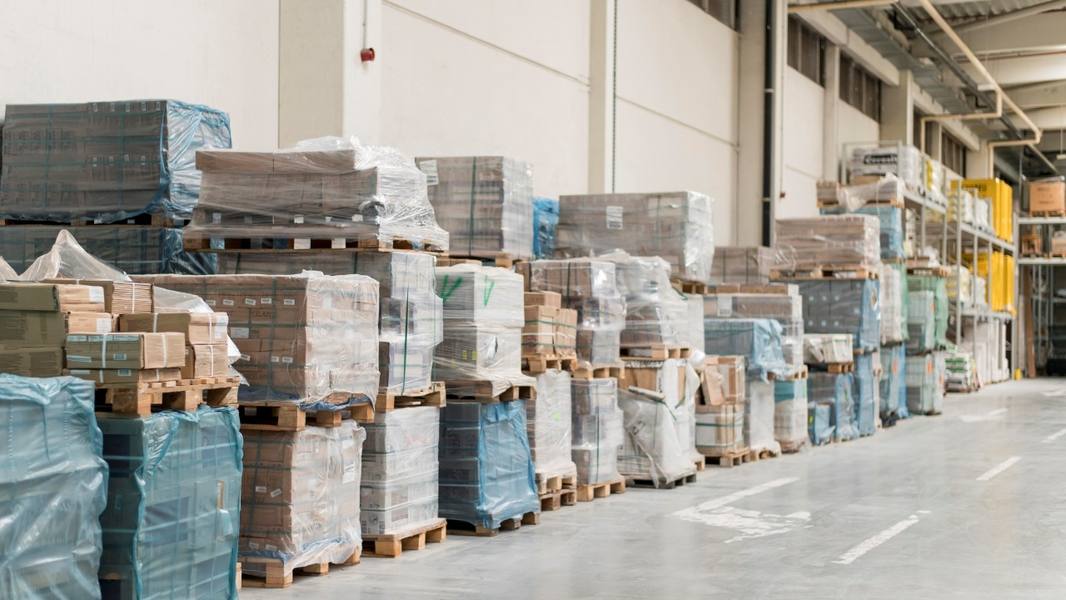
Large and medium wholesale is the basis of wholesale trade, ensuring the effective movement of goods from producers to end customers.
Крупный и средний опт занимают центральное место в цепочке поставок, связывая производителей с конечными покупателями и розничной торговлей. Эти сегменты охватывают реализацию товаров большими партиями и ориентированы на сотрудничество с крупными и средними предприятиями.
В статье мы подробно разберем особенности работы в крупно- и среднеоптовом бизнесе, включая вопросы ценообразования, управления запасами, логистики, налогообложения и успешных стратегий работы.
Крупный и средний опт: особенности работы
Крупный опт: специфика и значение
Крупный опт — это реализация товаров крупными партиями, ориентированная на большие торговые сети, дистрибьюторов и производственные предприятия.
Особенности крупного опта:
- Крупные объёмы закупок. Основные клиенты — дистрибьюторы, переработчики или экспортеры.
- Низкие цены за единицу товара. За счёт больших партий снижается стоимость хранения и логистики.
- Длительные контракты. Крупные сделки часто сопровождаются долгосрочными соглашениями.
- Высокие требования к качеству и сертификации.
Средний опт: гибкость и универсальность
Средний опт обслуживает компании, которым недостаточно мелкооптовых партий, но не требуется объем крупного опта.
Особенности среднего опта:
- Широкий ассортимент. Ориентация на малые и средние предприятия.
- Более гибкие условия поставок. Возможность заказа партии меньшего объёма, чем в крупном опте.
- Быстрая логистика. Часто ориентирован на региональные рынки.
- Умеренные цены. Баланс между экономичностью и оперативностью.
Цепочка ценообразования в крупном и среднем опте
Формирование оптовой цены в этих сегментах зависит от объёма закупок, транспортных расходов и уровня обслуживания.
Этапы формирования цены
- Себестоимость производства. Включает сырье, рабочую силу, энергию и производственные процессы.
- Транспортировка. Большие партии могут требовать специфической логистики, включая морские контейнерные перевозки или железнодорожный транспорт.
- Складские расходы. Крупные склады требуют большего пространства и оборудования.
- Маржа. Обеспечивает покрытие издержек и прибыль оптовика.
Формула цены
Оптовая цена = Себестоимость + Транспортные расходы + Складские затраты + Маржа
Факторы ценообразования
- Объём закупки
- Чем больше объём, тем ниже цена за единицу.
- Предоставляются скидки за долгосрочные контракты и крупные партии.
- Рыночная ситуация
- Уровень конкуренции влияет на возможность минимизации маржи.
- Спрос и предложение формируют ценовую политику.
- Ассортимент
- Узкоспециализированные товары стоят дороже из-за ограниченного числа поставщиков.
- Массовая продукция, наоборот, отличается низкой стоимостью.
- Сезонность
- Сезонные товары (например, сельхозпродукция) могут иметь пиковые цены в определенные периоды.
- Остатки после сезона реализуются с уценкой.
- Дополнительные услуги
- Предоставление отсрочки платежа, складской обработки или доставки увеличивает стоимость.

Логистика, сертификация и налоги в крупном и среднем опте
Логистика
- Морские и железнодорожные перевозки. Подходят для крупного опта благодаря экономичности.
- Склады больших объёмов. Оборудование складов для крупной техники, контейнеров и других габаритных товаров.
- Региональные центры распределения. Для среднего опта важна близость к клиентам.
Сертификация
- Обязательная сертификация. Продукты питания, строительные материалы, техника.
- Добровольная сертификация. Увеличивает доверие к продукции.
Налогообложение
- НДС. Включается в стоимость, что важно учитывать в контракте.
- Акцизы. Налоги на товары, такие как алкоголь и табак.
- Таможенные сборы. При импорте продукции.
Управление запасами в крупном и среднем опте
Эффективное управление запасами обеспечивает бесперебойные поставки и минимизирует затраты.
Проблемы
- Избыток. Увеличивает расходы на хранение.
- Дефицит. Приводит к потерям клиентов.
Методы управления
- Системы автоматизации. WMS (Warehouse Management System) помогают контролировать объемы и движение товаров.
- ABC-анализ. Деление товаров по важности.
- Прогнозирование спроса. Анализ данных о продажах для планирования закупок.
- Инвентаризация. Регулярный учёт для исключения избыточных запасов.
Факторы успешности крупно- и среднеоптового бизнеса
- Надежные поставщики. Стабильное качество и соблюдение сроков поставок.
- Развитая логистика. Использование различных видов транспорта и стратегически расположенных складов.
- Гибкая ценовая политика. Умение адаптироваться под запросы клиентов.
- Технологии. Автоматизация процессов и использование CRM-систем.
- Маркетинговая активность. Участие в выставках, разработка лояльности клиентов.
Крупный и средний опт — это основа оптовой торговли, обеспечивающая эффективное движение товаров от производителей к конечным покупателям. Успешный бизнес в этих сегментах требует грамотного управления запасами, оптимизации логистики и учета налоговых и сертификационных аспектов.
Внедрение современных технологий, ориентация на клиента и стратегическое планирование позволяют компаниям укреплять свои позиции на рынке и обеспечивать долгосрочный рост.