The EAEU Single Energy Market in 2027: Can the Union replicate the EU experience?
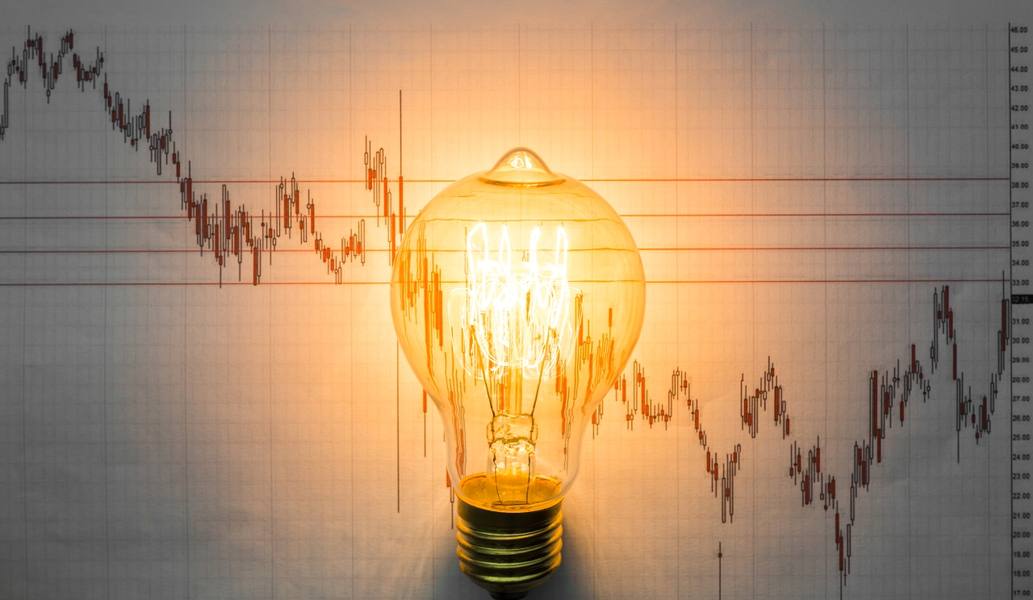
The creation of a common energy market involves the formation of unified principles of energy trade between the states of the Union.
2027 could be a landmark year for the Eurasian Economic Union. Russia, Kazakhstan, Belarus, Kyrgyzstan and Armenia are preparing to launch a common energy market, which can become one of the largest integration projects in the post-Soviet space in recent decades.
If today the EAEU countries are united mainly by common customs rules and free movement of goods, then in a few years cooperation can reach a qualitatively new level. We are talking about the formation of a single energy space, where electricity, gas and oil products will circulate according to common rules, and participants will have access to a more transparent and competitive market.
Many experts have already compared the project to the European model of energy integration, which has become one of the key factors in the economic growth of the European Union. However, a natural question arises: will the EAEU be able to repeat the path of the EU and become a full-fledged energy center of Eurasia?
What constitutes a single energy market
The creation of a common energy market involves the formation of unified principles of energy trade between the states of the Union.
In fact, we are talking about the gradual abandonment of internal barriers and the transition to a system in which energy companies can supply products to neighboring countries according to uniform rules.
Main objectives of the project:
- ensuring energy security of the EAEU states;
- improving the efficiency of energy infrastructure use;
- reducing costs in the supply of electricity and fuel;
- Creating a competitive environment for manufacturers;
- attracting investments in the modernization of the industry;
- development of cross-border trade in energy resources.
For the countries of the Union, energy is not just an important sector of the economy, but the foundation of industrial development and export potential.
Russia as the Energy Core of the Union
Russia will play a key role in the future common market.
The country has the largest reserves of natural gas in the world, is among the leaders in oil production and has one of the most developed electric power systems in the Eurasian space.
Russian companies already provide a significant part of the energy needs of EAEU partners. The creation of a single market will make these supplies more systemic and long-term.
In addition, Russia has the opportunity to strengthen its position as the largest energy center in Eurasia, ensuring the stability of regional supplies.
Kazakhstan: a link between Europe and Asia
For Kazakhstan, the single market offers its own prospects.
The republic is one of the largest producers of oil and uranium, actively develops the gas industry and has a serious potential in the field of renewable energy.
Due to its geographical location, Kazakhstan can become an important transit hub between Russia, Central Asia and China.
The development of a common energy infrastructure will allow the country to increase its export potential and increase the investment attractiveness of the energy sector.
Belarus, Armenia and Kyrgyzstan: Benefits for Importers
For countries that are more dependent on external energy supplies, the benefits may be equally significant.
Belarus traditionally remains one of the largest consumers of Russian oil and gas. Uniform rules of trade can provide greater predictability of price mechanisms and long-term planning for industry.
Armenia and Kyrgyzstan expect to gain access to more stable supplies of electricity and fuel, as well as take advantage of integrated energy infrastructure.
For small economies, participation in the common market means the opportunity to reduce the risks of energy shortages and increase the resilience of national energy systems.
European experience: are there similarities?
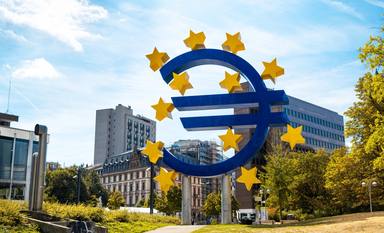
The future energy market of the EAEU is often compared to the model of the European Union.
The EU has spent decades creating a common energy space. Today, European countries are united by a network of interstate energy systems, common trade rules and mechanisms for coordinating energy policies.
It is energy integration that has allowed Europe to significantly improve the sustainability of supply and create a competitive environment for producers.
However, there are important differences between the two models.
While in Europe energy integration was built mainly between consumer countries, the EAEU unites both the largest energy producers and importing states.
This creates a more balanced structure where the interests of the parties objectively complement each other.
Is the “energy BRICS” format possible?
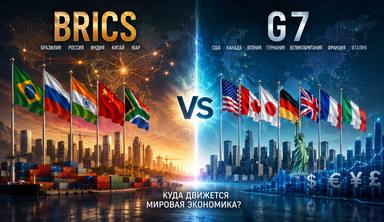
Against the background of the expansion of the BRICS, ideas about creating a wider energy space that could unite not only the EAEU countries, but also the largest economies of the global South are increasingly heard.
Russia, China, India, Brazil, the UAE, Iran and other BRICS countries are already playing a key role in global energy markets.
If the EAEU’s integration mechanisms prove effective, they could become a model for broader cooperation within BRICS.
In the future, this can lead to the formation of new trade routes, settlements in national currencies and the creation of alternative pricing centers in the global energy market.
While such scenarios remain the subject of debate, the global trend towards strengthening regional economic blocs makes such a development quite possible.
The main challenges to integration
Despite the obvious advantages, the creation of a single energy market will require solving a number of complex tasks.
Among the key challenges:
- harmonization of national legislation;
- unification of tariff policy;
- development of cross-border infrastructure;
- modernization of power grids;
- Balance of interests of producers and consumers;
- ensuring transparency of regulation.
The success of the entire project will depend on how effectively states can solve these issues.
Energy as the Foundation of the New EEU Economy
The launch of the common energy market in 2027 can become the most important stage in the development of the Eurasian Economic Union.
This is an opportunity for Russia to strengthen its status as the region’s leading energy center. Kazakhstan should expand its transit and export potential. Belarus, Armenia and Kyrgyzstan should have more sustainable access to energy resources and new opportunities for industrial growth.
If the project is fully implemented, the EAEU will be able to make a serious step towards deeper economic integration, approaching the level of cooperation with the largest world associations.
In the context of the global transformation of energy markets, a single energy space can become one of the key competitive advantages of the Eurasian Union in the XXI century.