Canada’s return to the Chinese market: the end of the golden period for Russian peas?
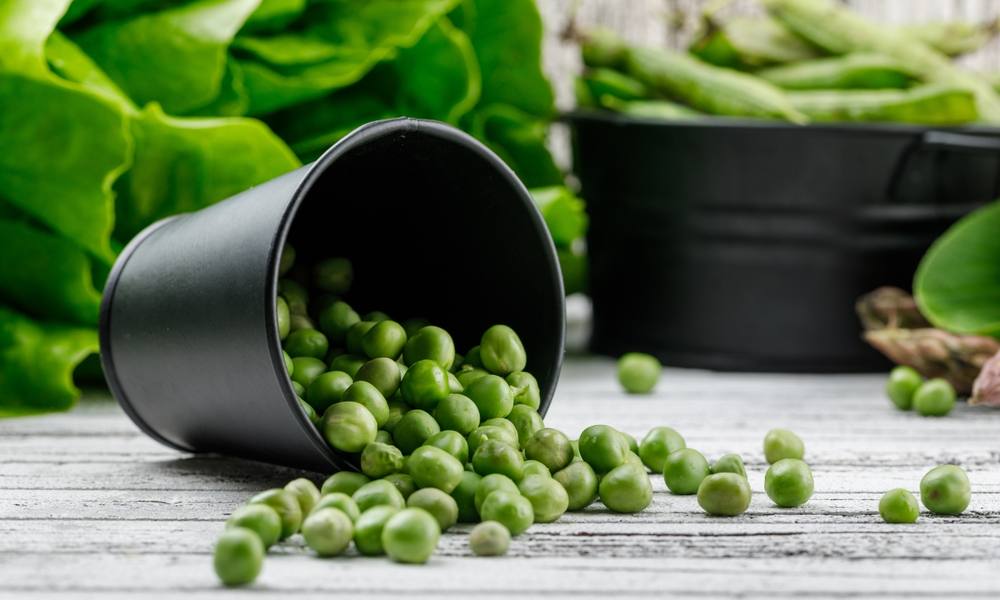
China remains the world’s largest importer of pulses, and demand for plant protein continues to grow
A few years ago, Russian peas were considered one of the main beneficiaries of changes in the global agricultural market. Restrictions on supplies from a number of countries, strong demand from China and favorable price conditions have allowed Russian exporters to significantly increase sales and strengthen their positions in the world’s largest market.
However, the situation may change in the coming months.
According to market participants, in May Canada plans to significantly increase the supply of peas to China. If these expectations are met, Russian exporters will have to work in the face of tougher competition, and the golden period of high prices and increased demand may gradually end.
Let’s look at why the return of Canada could change the market and what consequences it could have for Russian manufacturers.
Why China Is So Important to the World Pea Market
China has been the world’s largest consumer of legumes for many years.
The main areas of use of peas:
- food production;
- production of vegetable protein;
- feed industry;
- production of starch and food ingredients;
- export processing.
Every year, China imports millions of tons of peas, and any change in the structure of suppliers almost instantly affects global prices.
That is why access to the Chinese market is strategically important for almost all major exporters.
How Russia occupied the vacant niche
In recent years, Russian exporters have had a unique opportunity to significantly increase supplies.
Several factors contributed to this:
- changing the structure of world trade;
- reduction of supplies from individual competitors;
- development of export infrastructure of Russia;
- High demand from Chinese processors.
In many regions, peas have become one of the most profitable export crops.
High purchase prices stimulated the expansion of sown areas, and many farms began to consider peas as one of the most promising crops for export.
Why Canada's return could change the market
Canada is traditionally considered one of the world’s largest producers and exporters of peas.
Canadian products are different:
- stable quality;
- high yield;
- developed export logistics;
- Long-term trade relations with Chinese importers.
If supplies are indeed restored in full, the Chinese market will face increased supply.
This almost always changes the balance of supply and demand.
What can happen to prices
For the agricultural market there is a simple rule:
The greater the supply with constant demand, the greater the pressure on the cost of production.
The return of large volumes of Canadian peas can lead to:
- reduction of purchase prices;
- Increased competition among exporters;
- Tightening the requirements of Chinese buyers;
- increasing the role of product quality.
This does not mean an instant market crash, but the price premium that Russian suppliers have enjoyed in recent years may be gradually decreasing.
Why China Should Choose the Best Suppliers
The Chinese market is never focused solely on price.
When choosing suppliers, several factors are taken into account:
- stability of supply;
- compliance with phytosanitary requirements;
- quality of products;
- logistics;
- reputation of the exporter;
- speed of execution of contracts.
When there is an additional offer, competition will occur on these parameters.
What are the risks for Russian manufacturers
If export margins fall, some farms may face the need to review crop structure.
This is especially true for companies that rely solely on exporting peas.
Main risks:
- reduction of export profitability;
- increasing the timing of the sale of the crop;
- more stringent negotiations with buyers;
- Increase in product quality requirements;
- Increased competition among exporters.
Should we give up growing peas?
Despite the possible increase in competition, it is premature to talk about a complete rejection of culture.
China remains the world’s largest importer of legumes, and demand for plant protein continues to grow.
However, manufacturers need to take into account the new market reality.
If previously high demand largely compensated for individual shortcomings in quality or logistics, now success will increasingly depend on business performance.
You will have to compete not only in volumes, but also in service, product quality and reliability of supplies.
What will help maintain competitiveness
Experts recommend exporters to focus on several directions at once.
Improved product quality
Chinese buyers are becoming increasingly demanding on the quality of raw materials.
Development of recycling
The sale of products with high added value reduces dependence on fluctuations in the commodity market.
Market diversification
Focusing on a single customer always increases the risk.
Expanding the geography of supplies makes exports more sustainable.
Optimization of logistics
Reducing transportation costs is becoming a key factor in competitiveness.
Long-term partnerships
Companies that deal with Chinese importers on a regular basis are usually more likely to go through periods of high competition.
What this means for Russian agribusiness
The return of Canada to the Chinese market does not mean the automatic loss of the position of Russian exporters.
However, the market is gradually moving into a new phase, where the most effective companies will benefit.
If in recent years the main factor of growth was high demand, now the key role will be played by the quality of products, the stability of supplies, professional work with Chinese partners and the ability to quickly adapt to changes in the global situation.
For the agricultural business, this is a signal to reconsider export strategies today. Competition in the Chinese market will intensify, which means that the winners will not be those who produce more, but those who know how to work more efficiently.