Russian wheat exports are declining: why analysts have worsened the forecast for the new season
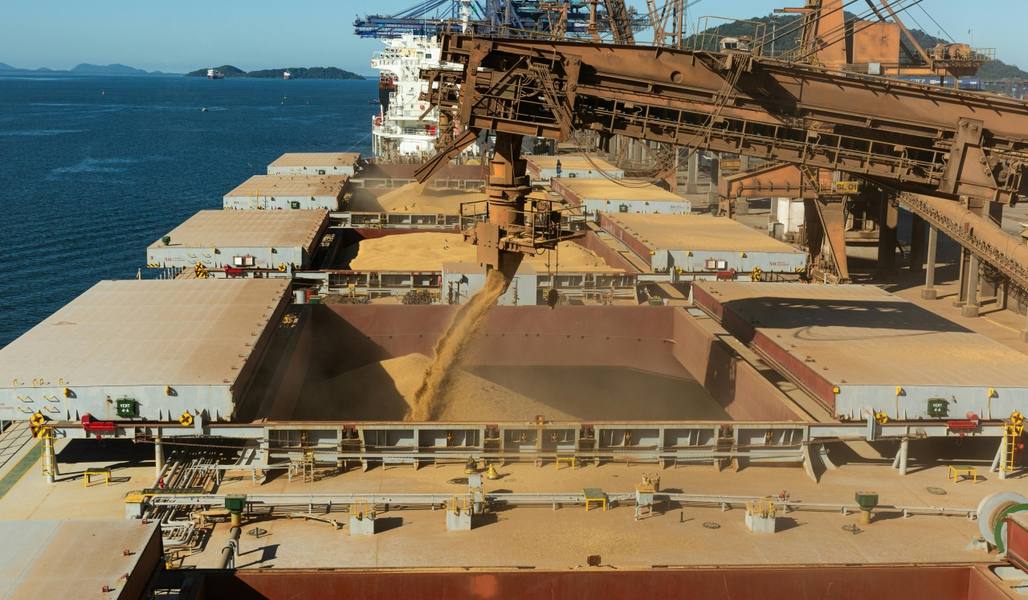
In the spring, analysts twice raised forecasts due to strong supply and strong demand from foreign buyers.
Sovekon Analytical Center revised the forecast for Russian wheat exports in the 2025/26 season, reducing it by 600 thousand tons to 46.8 million tons. The adjustment looks moderate, but it reflects more serious changes in the global grain market that are already affecting Russian producers and exporters.
In the spring, analysts raised their forecasts twice due to strong supply and strong demand from foreign buyers. However, the situation began to change in May.
Why the forecast was lowered
According to Sovecon director Andrei Sizov, May export figures were weaker than expectations.
The reason was the deterioration of the external environment:
- Reduced demand from key importers;
- the ruble strengthened, which reduced the profitability of export operations;
- a number of countries began to actively provide themselves with their own grain;
- Seasonal restrictions on imports have been introduced in some markets.
Director General of the Institute of Agricultural Market Studies Dmitry Rylko predicts wheat exports in June at 2.5 million tons, which is 7.4% lower than last year.
At the same time, IKAR still maintains the annual forecast at the level of 47 million tons, and the assessment of the analytical center Rusagrotrans is 46.5 million tons.
Egypt cuts purchases
One of the reasons for the active growth of Russian exports in early 2026 was the high demand from the Middle East.
In March, many importers increased their purchases amid geopolitical instability in the region.
Egypt, the largest buyer of Russian wheat, played a particularly prominent role.
However, analysts are now recording a decrease in purchasing activity.
Additional pressure is exerted by the growth of domestic production. According to experts, the wheat harvest in Egypt in the 2026/27 season can reach 9.8 million tons, which is 6.5% higher than the previous year.
The more grain a country produces on its own, the less it needs to import.
Turkey and Morocco increase production
The situation is similar in other countries that traditionally buy Russian grain.
According to the forecast of the US Department of Agriculture, the wheat harvest in Turkey can grow by 20% and reach 19.8 million tons. This will be one of the best results in recent years.
High rates are also expected in Morocco. There, grain production could double and approach 9 million tons.
Morocco has announced a temporary suspension of wheat imports from June to July.
Such measures are a standard tool to support local farmers during the harvesting campaign.
Experts do not rule out that similar restrictions may appear in other markets.
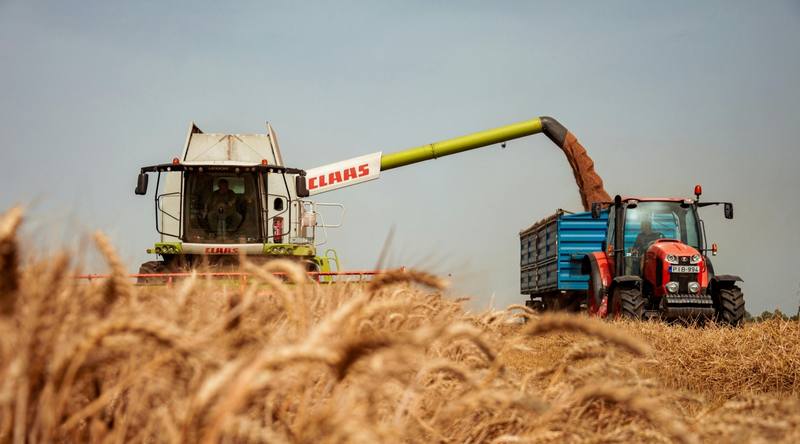
The strengthening of the ruble reduces the attractiveness of exports
An additional factor is the exchange rate.
For exporters, the strengthening of the ruble means a decrease in supply margins.
Even with the preservation of world prices, Russian products become less competitive compared to the offers of other exporting countries.
As a result, some contracts become less profitable for both traders and manufacturers.
China: Farmers’ Expectations and Market Reality
The Chinese direction deserves special attention.
In recent years, many Russian producers have viewed China as one of the most promising markets for grain products.
However, according to farmers and export market participants, the 2025 season was much harder than expected.
Many farms carried out monitoring of crops, underwent phytosanitary procedures and prepared a full package of export documents to meet the requirements of the Chinese side. But actual demand was below expectations, and the prices offered often failed to offset costs.
As a result, some farmers in the new season decided to abandon the registration of monitoring for individual crops or significantly reduce the volume of preparation of products for export to China.
This is especially true for wheat, where many producers are facing low profitability.
Among the main reasons farmers call:
- high cost of export registration;
- costs of monitoring, certification and fumigation;
- insufficient number of buyers;
- Low purchase prices.
For many farms, the presence of an export package did not guarantee actual sales.
What awaits Russian exports
Despite the current challenges, analysts maintain a relatively positive outlook for the industry.
Sovekon expects wheat exports in the 2026/27 season at 46.3 million tons.
IKAR forecasts further growth to 47.5 million tons.
Russia remains one of the world’s largest suppliers of grain, but competition in the international market is intensifying.
Importing countries are actively investing in their own agriculture, and exporters have to adapt to the new terms of trade.
Conclusion
The decline in the forecast for wheat exports by 600,000 tonnes reflects changes in the global grain market.
Demand from traditional buyers is declining, major importers are increasing their own production, and the profitability of export operations remains under pressure from the exchange rate and rising costs.
For Russian farmers, the new season will test the effectiveness of export strategies and the ability to quickly adapt to the changing world situation.