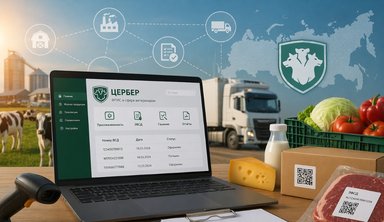
Grain under lock: new rules of storage in Russia
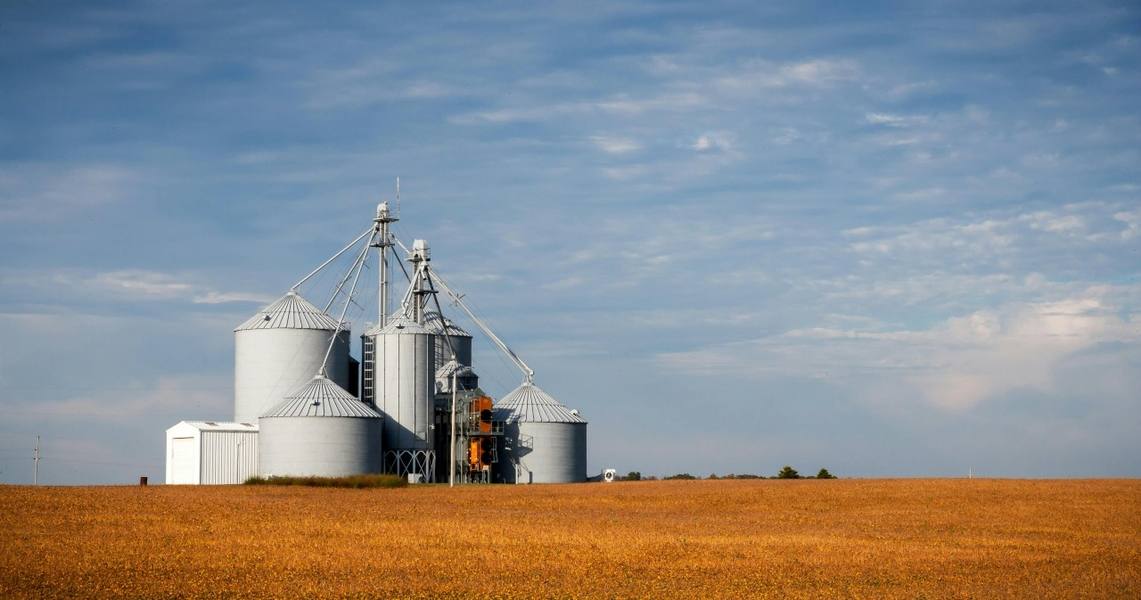
New grain storage standards are the industry’s transition to a modern level of quality and safety management
В 2025 году аграрный сектор России столкнулся с серьезными изменениями: вступили в силу новые нормы хранения зерновых культур, направленные на повышение безопасности, качества продукции и контроль над движением урожая.
Теперь каждый элеватор, зерносклад и логистический комплекс обязан соответствовать обновленным требованиям — от условий микроклимата до цифрового учета партий.
Разберем, что именно меняется, кто будет контролировать исполнение и как бизнесу адаптироваться без потерь.
Новая нормативная база: что изменилось
С 1 октября 2025 года вступили в силу изменения в:
- Федеральный закон №183-ФЗ «О зерне и о зернопродуктах»;
- ГОСТ Р 54078-2024 «Зерно. Условия хранения»;
- приказы Минсельхоза РФ №306 и №327, регулирующие работу элеваторов и складских операторов.
Главные цели нововведений — борьба с потерями урожая, улучшение прослеживаемости и предотвращение загрязнения продукции при хранении.
Ключевые изменения:
- Введен обязательный мониторинг температуры и влажности в режиме реального времени.
- Требуется установка автоматизированных систем вентиляции и учета партий.
- Ужесточены требования к санитарному состоянию помещений и инсектицидной обработке.
- Введен цифровой журнал учета движения зерна (интеграция с ФГИС «Зерно»).
- Обновлены нормы ответственности за несоответствие — теперь штрафы и приостановки работы стали ощутимо выше.
Кого коснутся новые правила
Под действие новых требований попадают:
- элеваторы и зернохранилища всех форм собственности;
- зерноперерабатывающие предприятия (мукомольные, комбикормовые, масложировые);
- логистические центры и порты, временно хранящие зерновые партии;
- фермерские хозяйства, имеющие собственные склады более 500 тонн.
Даже небольшие частные хранилища теперь должны соблюдать минимальные стандарты по вентиляции, дезинфекции и контролю микроклимата.
Кто будет проводить проверки
Контроль распределен между несколькими ведомствами:
- Россельхознадзор — главный надзорный орган, отвечающий за фитосанитарное состояние и безопасность зерна;
- Роспотребнадзор — проверяет санитарные нормы, наличие насекомых-вредителей, состояние тары и оборудования;
- Ростехнадзор — контролирует техническую безопасность и эксплуатацию оборудования (вентиляция, силосы, датчики);
- Минсельхоз РФ — курирует внедрение цифровых журналов и ФГИС «Зерно».
Проверки будут проходить по плану и по обращениям, с особым вниманием к предприятиям, работающим на экспорт.
Новые технологические требования
Системы мониторинга
Теперь обязательна установка:
- датчиков температуры на разных уровнях насыпи;
- приборов контроля влажности воздуха и зерна;
- систем сигнализации при отклонении параметров.
Все данные должны храниться в электронном виде и предоставляться по запросу проверяющих.
Вентиляция и дезинфекция
Хранилища должны быть оборудованы автоматизированными вентиляционными установками, обеспечивающими равномерное охлаждение и просушку.
Обработка помещений от насекомых теперь проводится не реже 2 раз в год с фиксацией в журнале.
Учет партий
Каждая партия зерна должна иметь уникальный цифровой идентификатор с указанием происхождения, даты приема, параметров качества и текущего состояния.
Эти данные автоматически передаются в ФГИС «Зерно», что делает рынок более прозрачным.
Штрафы и санкции
Нарушения новых норм теперь строго караются:
- до 200 000 рублей — за отсутствие журналов контроля и несвоевременное обновление данных;
- до 300 000 рублей — за несоответствие санитарным нормам и отсутствие обработки помещений;
- приостановка деятельности до 90 суток — при угрозе заражения или порчи зерна;
- отзыв экспортной лицензии — при повторных нарушениях или сокрытии данных о состоянии партий.
Как подготовиться элеваторам и складам
Проведите аудит оборудования
Проверить исправность датчиков, состояние вентиляции, герметичность силосов и крыш.
Настройте электронный учет
Подключите систему к ФГИС «Зерно» и организуйте автоматическую передачу данных.
Проведите санитарную обработку
Заключите договор с сертифицированной дезслужбой и оформите акты выполненных работ.
Обучите персонал
Сотрудники должны уметь работать с цифровыми системами учета и знать новые нормы хранения.
Подготовьте документацию
Храните все отчеты, журналы и протоколы — инспекторы часто проверяют именно бумажную часть.
Влияние на рынок и экспорт
Эксперты считают, что новые правила приведут к укрупнению рынка хранения.
Небольшие элеваторы, не готовые инвестировать в модернизацию, будут искать партнеров или объединяться.
Зато качество зерна при хранении улучшится, что особенно важно для экспортных поставок в Китай, Турцию и страны Ближнего Востока.
Наличие прозрачного учета и санитарных сертификатов упростит процедуру фитосанитарного контроля при экспорте.
Мнение отрасли
«Эти требования давно назрели. Потери при хранении достигали 8–10%, а теперь каждый килограмм будет учтен. Конечно, это инвестиции, но они окупятся качеством и доверием партнеров», — отмечает директор одного из агрохолдингов в Воронежской области.
Новые нормы хранения зерна — это не просто бюрократическое ужесточение, а переход отрасли на современный уровень управления качеством и безопасностью.
Элеваторы, готовые адаптироваться, получат конкурентное преимущество, а для нарушителей последствия станут ощутимыми.
В ближайшие годы можно ожидать:
- снижение потерь при хранении;
- рост экспорта зерна;
- цифровизацию всей цепочки от поля до терминала.