China approved new requirements for Russian vegetable raw materials
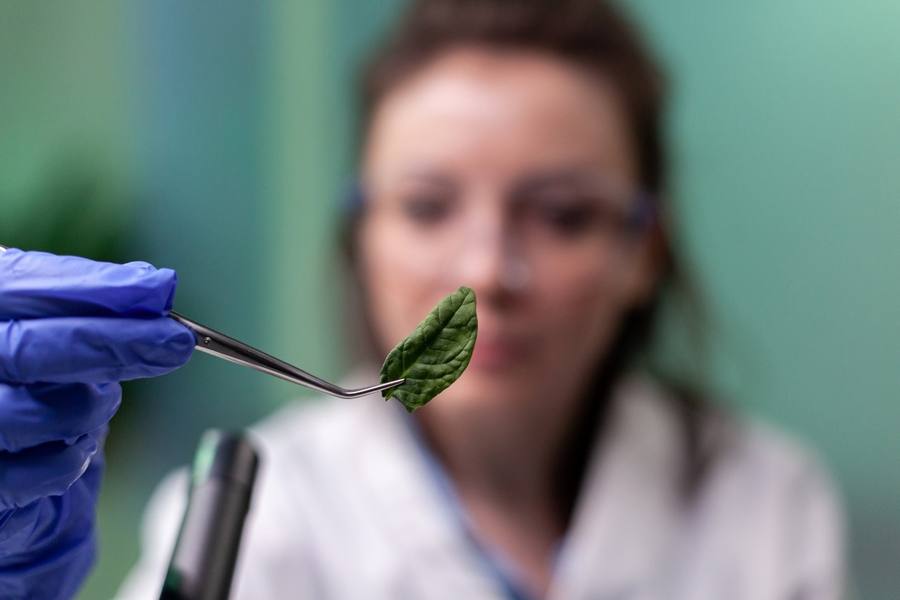
From May 29, 2025, the supply of Russian plant raw materials for traditional Chinese medicine to the PRC became possible only with strict compliance with the new phytosanitary standards.
From May 29, 2025, new rules for the import of plant raw materials from Russia to China intended for traditional Chinese medicine (TCM) came into force. These measures are aimed at tightening quality control and safety of products, from the moment of harvesting to checks at the border.
List of allowed raw materials for import
The Chinese side approved A strictly limited list of 24 types of plant raw materialswhich is allowed for importation.
Each item on this list must meet the established description according to three criteria:
- species - strictly defined botanical species of the plant;
- plant the root, leaf, flower, fruit or other part provided for by the rules;
- Processing method - dried, cut, powdered, etc.
Any deviation from these parameters automatically makes the consignment unacceptable for import.
Mandatory registration of Russian enterprises
The supply of raw materials to China can only be Registered manufacturers, processors and custodians.
Registration procedure:
- Check by Rosselkhoznadzor inspectors assess the production, storage and processing conditions of raw materials.
- Data transfer to the PRC The Rosselkhoznadzor sends the results of the inspection to the Main Customs Administration of China.
- Incorporation on the official list Only after approval by the Chinese side, the company receives the right to export.
Important point: The presence of all other documentation does not give the right to import without registration.
Packaging and marking requirements
The packaging should be new, clean and safe. China has specific label requirements:
Mandatory elements of marking:
- name of the plant;
- Latin name;
- mass
- the date of processing and packaging;
- storage conditions;
- data of the sender (exact address and registration number).
All information is duplicated Chinese and English. Violation of packaging and labeling requirements is the basis for refusal of importation.
Phytosanitary control before export
Before sending each batch passes mandatory inspection of Rosselkhoznadzor.
Control steps:
- Inspection of the lot and verification of compliance with the established requirements.
- Laboratory studies for the presence of quarantine pests.
- Issuance of a phytosanitary certificate.
The certificate must contain statementthat products:
- not contaminated with quarantine pests;
- It complies with the intergovernmental agreement between Russia and China.
Without a certificate, products will not cross the border.

Inspection on importation into China
Each batch of raw materials passes thoroughness at Chinese checkpoints.
The procedure shall include:
- verification of registration of the supplier in the approved list;
- reconciliation of phytosanitary certificate data;
- laboratory analysis of samples.
Measures for violations:
- the return of the party to Russia;
- destruction or disinfection of raw materials;
- in case of serious violations – suspension of imports from a particular enterprise and notification of the Rosselkhoznadzor.
The importance of new rules for business
China's new phytosanitary requirements cover delivery cycle - from harvesting and processing to border control.
For Russian companies, this means:
- the need to register in advance;
- strict quality control at each stage of production;
- Increasing labelling and documentation requirements;
- Possible additional packaging and certification costs.
Recommendations to Russian exporters
- Check to see if the product is on the list of 24 permitted products.
- Registration with Rosselkhoznadzor and wait for the Chinese listing.
- Organize production in accordance with the requirements of the PRCincluding storage and processing conditions.
- Develop a label template Duplication of information in Chinese and English.
- Establish internal controls to avoid getting into the batch of prohibited raw materials.
From May 29, 2025, the supply of Russian plant raw materials for traditional Chinese medicine to the PRC became possible only with strict compliance with the new phytosanitary standards.
For companies that are able to restructure processes and meet these requirements, prospects for long-term and stable cooperation with China are opening up. For others, there is a risk of losing the market.