The government of the Novosibirsk region is preparing to declare a state of emergency in agriculture
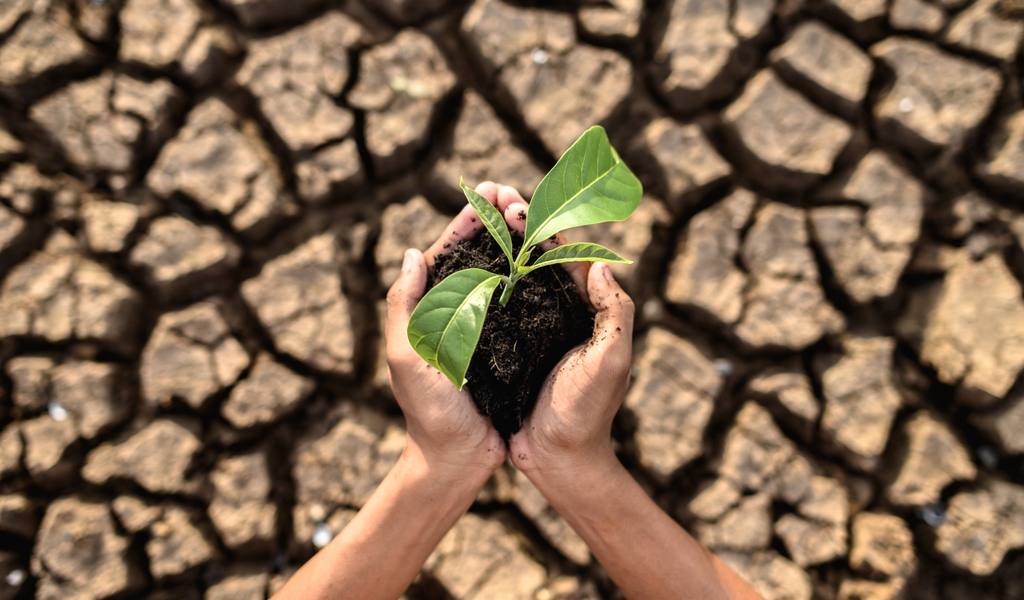
Minister of Agriculture Andrei Mikhailov said that the losses relate not only to the reduction of yields.
The Novosibirsk region may face one of the most serious consequences of the dry summer in recent years. In the region, a noticeable decrease in yields and gross harvest of crops is expected, and some of the crops have already died completely. The authorities are preparing to introduce a state of emergency in agriculture - the measure should help farmers avoid additional sanctions and get support.
On the difficult situation at an operational meeting in the government of the Novosibirsk region on August 17, said the head of the regional Ministry of agriculture Andrey Mikhailov. According to him, weather conditions in the summer of 2026 can lead to a decrease in yield and gross harvest by approximately 30%. The reason was the prolonged heat and drought, which especially significantly affected the condition of crops in the first two months of summer.
The first results of the harvesting campaign already show that the fears of farmers are groundless. As of August 17, about 280,000 hectares were threshed in the region – about a quarter of the area occupied by grain and leguminous crops. The average yield was 21 centners per hectare, and the gross harvest exceeded 570,000 tons. Cleaning campaign continued in 28 districts and districts of the region, in two more it did not begin at that time.
Drought disrupted the plans of farmers
At the beginning of the agricultural season, the region increased sown areas. The total area of crops in 2026 amounted to about 2.16 million hectares, and about 1.25 million hectares were allocated for grain and legumes. However, an increase in acreage alone does not guarantee a good harvest if weather conditions are unfavorable.
The main problem was the May and June droughts. In some areas, there was not only atmospheric, but also soil drought: plants were deficient in moisture during the period when their future productivity was formed. The severe heat worsened the situation, and some crops could not recover.
Minister of Agriculture Andrei Mikhailov said that the losses relate not only to a decrease in yields. In some farms recorded total destruction of crops.
Weather conditions this summer give us a decrease in yield and gross harvest in a circle by approximately 30%. Unfortunately, there is also the loss of crops.”
This preliminary assessment is especially noticeable against the background of last year’s results. In 2025, the Novosibirsk region collected about 3 million tons of grain and leguminous crops. If the projected decline is confirmed, it will be a significant blow to production volumes for the regional agro-industrial complex.
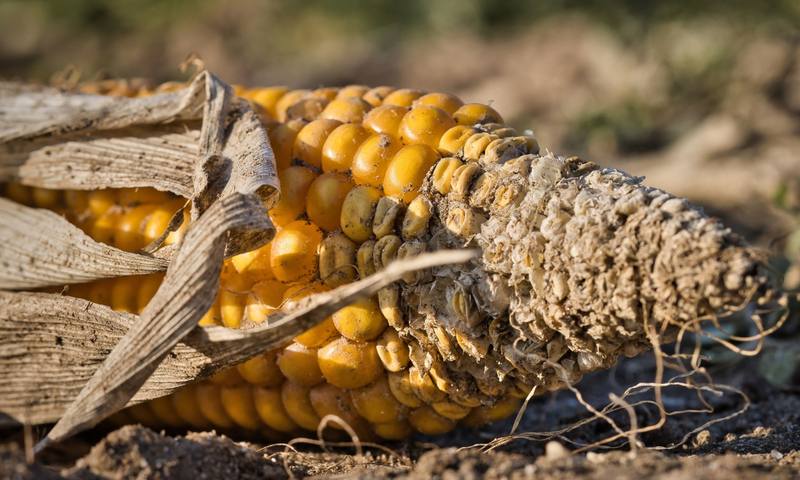
At the same time, the situation is uneven. Some crops were more vulnerable to prolonged heat, others suffered weather anomalies better. For example, corn feels relatively stable because heat is less critical. Not so serious concerns are still caused by some vegetable crops, including potatoes, cabbage, beets and carrots.
However, for the region as a whole, this does not eliminate problems. The main blow fell on farmers, whose financial plans were based on higher yields.
Why enter the emergency mode
At first glance, the state of emergency may be perceived as a formal recognition that the summer was a failure. But for farmers, it is primarily a legal tool.
The introduction of the emergency regime allows us to officially record that the failure of farms to meet the planned indicators is not due to their actions, but to extreme weather conditions. This is especially important for those farmers who received state support and assumed certain obligations on production volumes.
Governor of the Novosibirsk region Andrey Travnikov said that the issue of the introduction of the emergency regime was worked out in advance. After the report of the Ministry of agriculture, he stressed the need to make a decision that will help protect farmers.
We will make appropriate decisions to somehow support and protect our farmers.
Documents for the introduction of the emergency regime have already been prepared by the regional Ministry of Agriculture. It is expected that this will allow the authorities to adjust the targets for the region and reduce the risk of penalties for farmers who will not be able to fulfill initial plans due to the loss of crops.
In addition, the official emergency regime is important for farms that have insured the crop. The presence of a documented emergency can be an important element in the registration of insurance events and interaction with financial institutions.
For businesses that have loan obligations or leasing agreements, a worsening crop doesn’t just mean less revenue. This can create a cash gap at the exact moment when it is necessary to pay for fuel, machinery, seeds, fertilizers and other expenses of the next agricultural season.
Therefore, for many farms, the emergency regime is not just a formulation in a government decree, but an opportunity to prove the objectivity of losses and get additional time to fulfill financial obligations.
How serious are the losses
Preliminary estimates of a 30% decline in yield and gross harvest do not mean that the final results of the season will be exactly the same. The cleaning campaign is ongoing and the results may vary depending on the area and the specific culture.
However, the figures already available show the scale of the problem. When threshing about a quarter of the area, the average yield was 21 centners per hectare. For comparison, the weather factor last year allowed the region to receive significantly higher gross collection volumes.
A separate problem is that the drought has affected the region unevenly. In some areas, plants could survive the heat due to local precipitation or soil features, in others, moisture deficiency was critical. Therefore, the final consequences for agriculture will become clear only after the harvesting campaign is completed and all crops are reviewed.
However, the authorities now admit that part of the harvest can not be returned.
Late rains are also not able to compensate for the losses that occurred in the early stages of plant development. If the crop did not get enough moisture during the formation period, further improvement in the weather does not always allow to restore the initial yield potential.
In some cases, late-season precipitation can even create new problems, such as making harvesting difficult and reducing grain quality. Therefore, farmers have to work with several risks at once: the effects of drought, crop shortages and possible deterioration of weather conditions during the harvesting campaign itself.
What will happen to food prices
It would be wrong to directly link a possible decrease in the harvest in the Novosibirsk region with an immediate increase in prices on store shelves.
First, the regional situation is only one factor in the formation of the value of products. The final price is affected by harvests in other regions of Russia, last year’s reserves, the export situation, transportation and processing costs.
Second, a 30% reduction in the harvest is a preliminary estimate made at the height of the harvesting campaign.
However, for individual farmers, the consequences can be felt now. A smaller harvest means a decrease in potential revenue, and fixed costs do not disappear anywhere. The equipment requires maintenance, loans must be paid, and the next season also requires investment.
A particularly difficult situation can be for farms with a high debt load and insufficient financial cushion. That is why the regional authorities consider the emergency regime as a mechanism to protect farmers from additional sanctions for non-compliance with state support indicators.
For consumers, the consequences, if any, are likely to depend on the product. Grains, feed, vegetables and oilseeds react differently to crop failure, and the final cost of products is formed along a long production chain.
Why the situation is important for the entire Novosibirsk region
Agriculture for the Novosibirsk region is not a narrow industry that concerns only villagers. The harvest affects processing, logistics, trade, employment and tax revenues.
Problems in crop production are gradually spreading throughout the economic chain. Less harvest – less raw materials for processing enterprises. Loss of feed crops can increase the costs of livestock farms. The decrease in incomes of farmers means a reduction in opportunities for investment in machinery and production development next year.
In addition, one unfavorable season can create a delayed effect. If the farm finishes the year with serious financial losses, the next planting season becomes more risky. You need to buy seeds, fuel and fertilizer, but there are less available funds.
That is why the authorities’ response is now important not only in terms of offsetting the effects of the current drought. The sustainability of farms in the next season depends on how quickly and effectively support measures are taken.
What is known about further actions of the authorities
After the statement of Andrei Mikhailov, the regional authorities began the procedure of registration of the state of emergency. According to the latest published data, the emergency regime was introduced from August 18. The official cause was drought, severe heat and dry weather, and the area of dead crops exceeded 19.5 thousand hectares. In some areas, the temperature of the upper layer of soil in the summer reached extreme values.
The regional government will also have to send proposals to the Federal Ministry of Agriculture to adjust the targets set for the Novosibirsk region for 2026. This will make it possible to formally take into account the effects of weather anomaly in assessing the implementation of regional programmes.
The harvesting campaign continues. The final harvest volumes will be known at a later date when all areas have been processed and the results for the main crops have been summed up.
The situation remains indicative in terms of longer-term risks. Until recently, the main task of farmers was to increase production, expand sown areas and increase yields. But the summer of 2026 once again showed how much agriculture depends on the climate.
Even modern technologies, high-quality seeds and increased acreage cannot fully protect farms from prolonged drought.
For the Novosibirsk region, this season becomes a test in several directions: it is necessary to complete the cleaning with minimal losses, support the affected farms and prevent the consequences of one dry summer from turning into problems of the next agricultural year.