Sowing campaign in the Altai Territory
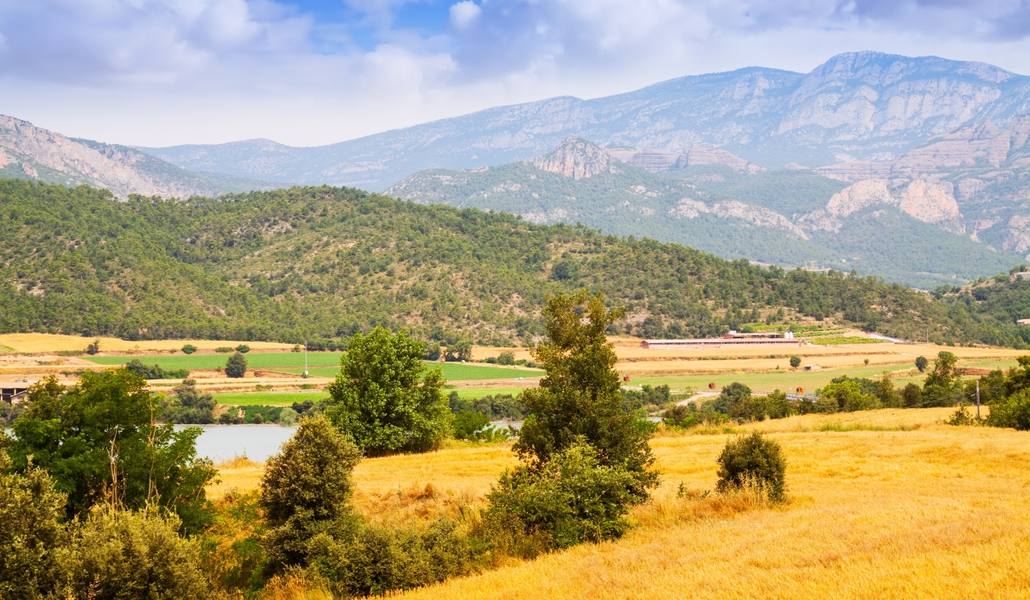
The Altai Territory traditionally remains one of the key agricultural regions of Russia. In 2026, preparations for the sowing campaign enter the final stage, demonstrating the sustainability of the industry and maintaining production scale.
Against the background of economic changes and transformation of markets, the region’s agriculture continues to develop due to systemic state support and a stable production structure.
Sowing volumes: maintaining scale
This year, the total sown area in the region will be 5.3 million hectares. - at last year's level.
The main load traditionally falls on spring sowing, under which about 4.9 million hectares are allocated. This confirms the preservation of the production model and the focus on key crops.
The stability of the areas suggests that farmers do not reduce volumes, despite external factors, and continue to work as planned.
Financial support: credit growth
Access to finance remains an important factor in preparing for sowing.
According to the Governor of the Altai Territory Viktor Tomenko, agricultural producers and enterprises of the processing industry approved about 10 billion rubles of preferential loans.
This figure is slightly higher than last year’s level, indicating continued and increased support from financial institutions.
Preferential lending allows farmers to:
- timely purchase of seeds and fertilizers
- upgrade
- provide working capital for the period of field work
Government support
An additional factor of sustainability is direct state support.
In the near future, the region will receive about 800 million rubles from the federal budget, which is 35% of the annual funding.
The funds will be directed to key areas:
- breeding
- cattle-breeding
- stimulation of production and sale of grain crops
This distribution shows the priority for strengthening both the raw materials and processing base.
Importance for the agricultural market
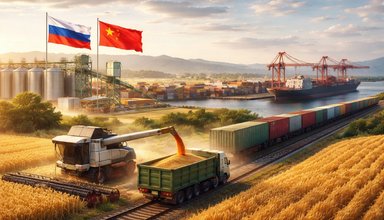
The Altai region plays an important role in ensuring food security and the formation of export potential.
Preservation of acreage and increased funding mean:
- stable grain production
- maintenance of the raw material base for processing
- Possibility of increasing export supplies
This is especially true in the context of the development of foreign markets, including the Asian direction.
Impact on related industries
The sowing campaign has an impact not only on agriculture but also on related sectors of the economy.
The growth of activity in the agricultural sector stimulates:
- logistics and transportation
- farming
- processing
- export
This is a multiplier effect for the regional economy.
Preparation for sowing: technique, resources and readiness
A key element of the current campaign was the preliminary preparation of farms. By the beginning of the season, farmers of the region completed the main repair and maintenance of agricultural machinery, formed stocks of seed material and ensured the availability of fertilizers and plant protection products.
Special attention is paid to fuel supply and logistics of supply of resources, which is especially important in conditions of seasonal peak load. Timely preparation allows you to minimize the risks of failures during active field work and ensure the implementation of agrotechnical deadlines.
Risks and uncertainties
Despite stable preparations, the agricultural sector has traditionally remained dependent on a number of factors.
Key ones:
- weather
- fluctuations in agricultural prices
- fuel and resource costs
- logistical constraints
These factors can affect the final results of the campaign, despite the high level of preparation.
Season prospects
Taking into account the current parameters, we can expect that the sowing campaign in the Altai Territory will be held in a normal mode.
The combination of stable areas, affordable financing and state support creates conditions for maintaining production volumes and further development of the agricultural sector.
Preparation for the sowing campaign in the Altai Territory demonstrates the sustainability and systematic nature of the agricultural sector.
The region maintains production scale, increases access to financing and receives support at the federal level.
This forms the basis for a stable agricultural season and strengthens the position of the region as one of the key agricultural centers of the country.