The Ministry of agriculture has set grain prices until 2027: what will change for farmers and the market
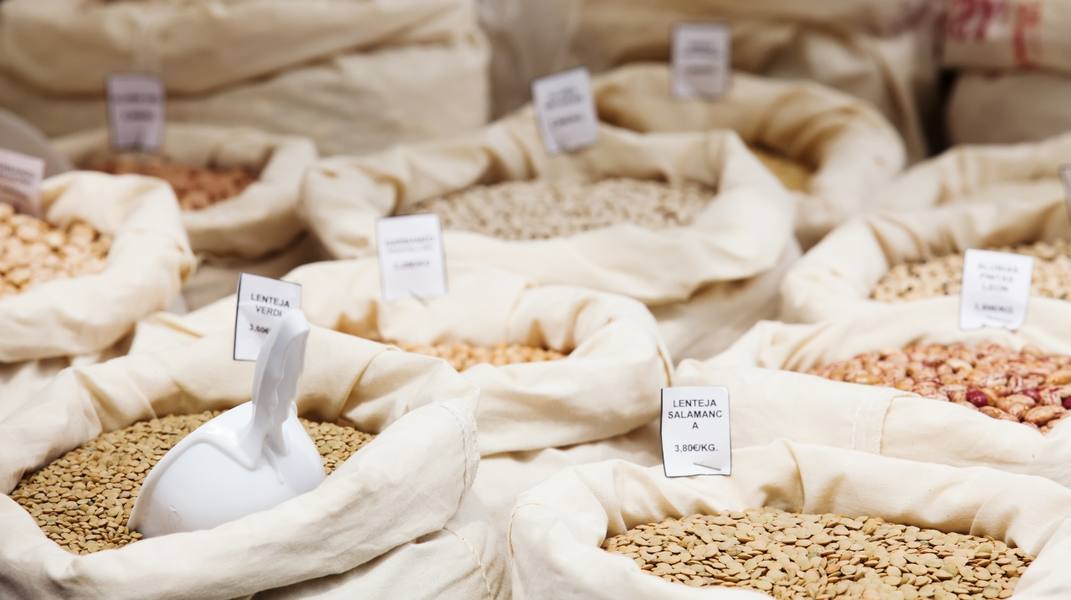
The mechanism of state grain interventions is used as a tool for regulating the domestic market.
The Russian grain market continues to operate in conditions of high volatility. The cost of production depends not only on the harvest, but also on dozens of external factors: world conditions, logistics, exchange rates, export restrictions, fuel costs and international demand. Even a successful agricultural season does not always guarantee stable profits.
Against this background, the Ministry of Agriculture of the Russian Federation approved price limits for public procurement and commodity interventions for the period from 1 July 2026 to 30 June 2027.
For the agricultural market, this is not just a technical document. In fact, the state forms benchmarks that will influence producers, processors, traders, exporters and participants in grain logistics.
What are procurement interventions and why are they needed
The mechanism of state grain interventions is used as a tool for regulating the domestic market. Its task is not to manually manage the cost of grain, but to reduce sharp price fluctuations.
When there is an oversupply on the market and the price of grain begins to decline, the state can begin to buy back products in the intervention fund. Thus, part of the volumes is temporarily withdrawn from circulation, reducing pressure on the price.
If the opposite situation occurs - Product shortages and rapid cost growth - The mechanism of commodity interventions can be triggered when grain from the fund is returned to the market.
In fact, interventions can solve several tasks at once:
- Maintain price stability;
- reduce market distortions;
- Provide additional guarantees for manufacturers;
- Increase the predictability of the industry.
This mechanism plays a particularly prominent role during periods of high harvest, when supply begins to significantly exceed demand.
What prices are set by the Ministry of agriculture
For the period from July 2026 to June 2027, specific price parameters for the main categories of grain were approved.
For soft wheat of the third class, the maximum price was 16 060 rubles per ton including VAT.
For soft wheat of the fourth class, two indicators are established:
- minimum - 13 970 rubles per ton;
- maximum - 15 400 rubles per ton.
These figures are not a fixed market value of grain. They are benchmarks, when achieved, the state gets the opportunity to intervene in the market through intervention mechanisms.
For agricultural producers, such parameters become a kind of system of market benchmarks, allowing to build more understandable scenarios.
Why the decision is important now
For the past few years, the grain market is hardly calm.
The Russian agricultural sector simultaneously faces several factors:
- Changes in logistics chains;
- restructuring of export routes;
- increasing the cost of transportation;
- fluctuations in exchange rates;
- changing the structure of international demand;
- Increased production costs.
Even a high harvest does not always automatically lead to an increase in the income of producers.
The cost of fertilizers, fuel, machinery, spare parts and logistics services continues to put pressure on the cost of production. Therefore, for farmers, not only the volume of harvested crops is becoming increasingly important, but also the ability to predict future financial conditions.
Setting marginal prices immediately for a long period allows the market to get more clear rules of the game.
What indicators affect the grain market today
The modern grain market has long depended not only on the state of the fields and the volume of the harvesting campaign.
Today, the industry is working against the backdrop of several important figures and trends.
Russia retains its position as one of the world’s largest suppliers of grain products. In recent years, the total export of Russian grain exceeds 50-70 million tons annuallydomestic consumption is approximately equal to 80-85 million tons per year.
The largest export destinations remain:
- countries of the Middle East;
- North Africa;
- Asia;
- individual CIS markets.
At the same time, logistics has a great influence on the final cost of products today.
Rising costs for transportation, transshipment, rail tariffs and port infrastructure are gradually becoming one of the main factors in pricing.
As a result, even with high yields, producers may face a situation where real yields are lower than expected.
That is why government interventions continue to be a tool for balancing the market.
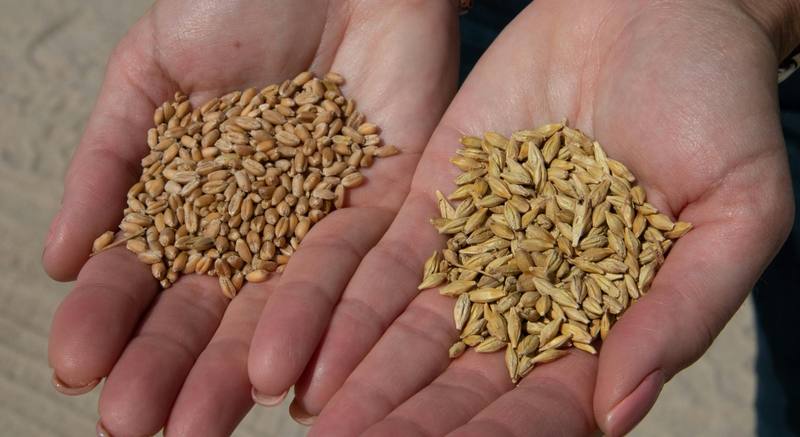
How interventions affect farmers
For grain producers, clear price targets mean a higher level of predictability.
This affects not only the sale of the crop, but also many strategic decisions:
- storage volumes of products;
- use of elevators;
- financial planning;
- Future purchases of equipment;
- export strategies;
- investment plans.
However, it is important to understand that intervention does not mean a guaranteed income for each farm.
The result still depends on the quality of the products, the region of production, the cost of logistics, storage capabilities and the overall market situation.
For large players, the impact of such decisions is usually more noticeable, since they work with large volumes of products and actively participate in exchange mechanisms.
What this means for exports
Russia remains one of the key participants in the global grain market, so any domestic regulatory mechanisms will inevitably affect foreign trade.
Export companies are forced to take into account internal guidelines when forming price offers for foreign buyers.
This is especially important in terms of competition with the world’s largest suppliers:
- United States;
- Canada;
- Australia;
- countries of the European Union;
- States of the Black Sea region.
The predictable domestic market is becoming an important factor for concluding long-term contracts and maintaining the competitiveness of Russian products.
What the market can expect next
In the coming years, the grain market will continue to change.
Several long-term areas of development are already visible:
- strengthening the digitalization of the agricultural sector;
- The growing role of Asian markets;
- development of export infrastructure;
- strengthening of quality control of products;
- modernization of logistics systems;
- development of state support mechanisms.
Against the background of these changes, intervention mechanisms remain one of the tools for maintaining a balance between the interests of producers and the stability of the domestic market.
Outcomes
The decision of the Ministry of Agriculture to set price limits for grain procurement interventions until 2027 becomes an important reference point for the entire agricultural industry.
It's not just about the numbers in the regulations. For manufacturers, traders, exporters and logistics companies, this is a signal of an attempt to make the market more predictable in the face of the ongoing restructuring of global trade.
Today, the competitiveness of agricultural business increasingly depends not only on the harvest, but also on the ability to adapt to new economic conditions.