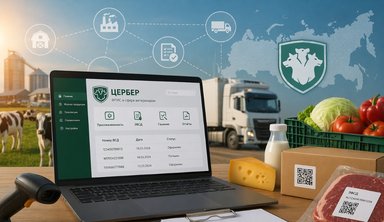
How elevators and grain terminals work
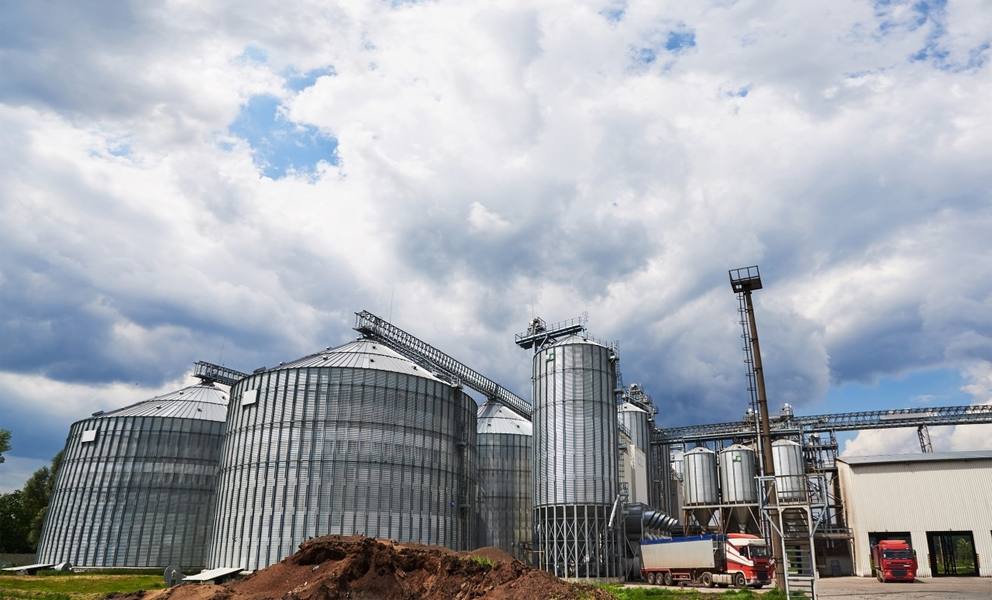
Grain storage on elevators and terminals: how the infrastructure, types of silos and logistics stages from field to export are arranged. What's important to know?
Элеваторы и зерновые терминалы — это ключевые звенья в цепочке производства, хранения и экспорта зерна. Они обеспечивают бесперебойный сбор, переработку, хранение и отгрузку сельскохозяйственной продукции, создавая основу для стабильных поставок на внутренние и международные рынки. В этой статье разберем, как устроена инфраструктура хранения зерна, какие виды элеваторов существуют и как функционируют зерновые терминалы.
Что такое элеватор
Элеватор — это комплекс сооружений и оборудования для приемки, очистки, сушки, хранения и отгрузки зерна. Он выполняет роль логистического и технологического узла между сельхозпроизводителем и переработчиком или экспортером.
Ключевые функции элеватора:
- Приемка урожая — зерно доставляется с полей в сезон сбора.
- Очистка — удаление примесей, семян сорняков и мусора.
- Сушка — доведение зерна до оптимальной влажности (обычно 12–14 %).
- Хранение — длительное содержание в силосах или складах.
- Отгрузка — транспортировка по железной дороге, автотранспортом или на суда.
Основные типы элеваторов
Элеваторы классифицируются по назначению и объемам хранения:
Приемные (хозяйственные)
- Располагаются рядом с полями.
- Предназначены для временного хранения и предварительной обработки урожая.
Производственные
- При заводах и комбикормовых фабриках.
- Служат для обеспечения сырьем перерабатывающих предприятий.
Транспортные (линейные)
- Находятся вдоль транспортных магистралей (ЖД, автодороги, реки).
- Используются для перевалки зерна.
Портовые
- Ключевое звено экспорта зерна.
- Подготовлены для погрузки на суда, обладают большой пропускной способностью.
Устройство элеватора: инфраструктура и оборудование
Современный элеватор — это технологически сложный комплекс.
Основные элементы:
- Приемное отделение: автоприемники и ЖД рампы для разгрузки.
- Нории и транспортеры: механизмы для вертикальной и горизонтальной транспортировки.
- Очистительные машины: сепараторы и триеры для удаления примесей.
- Сушильное оборудование: зерносушилки (шахтные, колонковые).
- Силосы для хранения: герметичные металлические или бетонные емкости.
- Система аэрации: для вентиляции и контроля температуры.
- Лаборатория качества: контроль влажности, зараженности и качества зерна.
- Отгрузочное отделение: погрузка в ЖД вагоны, авто или суда.
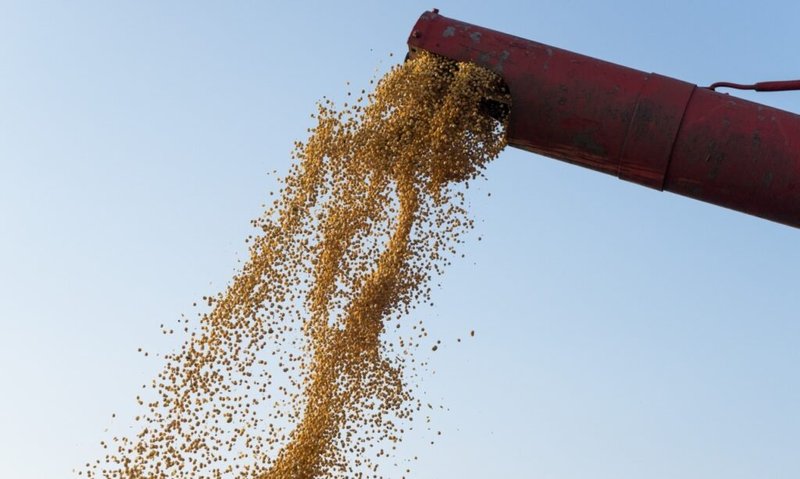
Что такое зерновой терминал
Зерновой терминал — это специализированный комплекс для перевалки и экспорта зерна. Он интегрирован с портами или железнодорожными узлами, обеспечивая высокую пропускную способность и возможность работы с крупными партиями грузов.
Задачи зернового терминала:
- прием зерна с элеваторов и автотранспорта;
- складирование и консолидация партий;
- очистка и доработка;
- погрузка на суда или вагоны;
- система логистического контроля и документооборота.
Зерновые терминалы чаще всего размещаются в портах или вблизи крупных транспортных хабов.
Логистика зерна: путь от поля до экспорта
- Сбор урожая. Зерно доставляется на приемный элеватор.
- Первичная обработка. Очистка и сушка.
- Хранение. В силосах с постоянным контролем температуры и влажности.
- Формирование партий. Классификация по качеству, сортировка по стандартам.
- Транспортировка. Отгрузка на зерновые терминалы железной дорогой или автотранспортом.
- Перевалка и экспорт. Погрузка на суда или дальнейшая отправка переработчикам.
Виды хранения зерна
| Метод | Особенности | Применение |
|---|---|---|
| Силосы | Герметичные башни с аэрацией и автоматическим контролем | Длительное хранение больших объёмов |
| Напольные склады | Простое хранение в буртах или насыпью | Временное хранение, низкая стоимость |
| Металлические емкости | Гибкие по объему и размещению | Малые и средние хозяйства |
| Мешки (биг-бэги) | Упрощенная логистика, малые партии | Экспорт небольших партий |
Ключевые технологии и инновации
Современные элеваторы активно автоматизируются:
- Системы мониторинга: датчики температуры и влажности.
- Автоматизация транспортировки: конвейеры, роботы для перемещения зерна.
- Цифровые платформы: учет партий и интеграция с ERP.
- Энергоэффективные сушилки: снижение затрат на газ и электричество.
Роль элеваторов в международной торговле
Элеваторы и зерновые терминалы играют стратегическую роль:
- обеспечивают бесперебойный экспорт зерновых;
- формируют репутацию страны-поставщика;
- повышают эффективность агропромышленного комплекса;
- позволяют оптимизировать логистику и минимизировать потери урожая.
Факторы, влияющие на стоимость услуг элеваторов
- Расположение: ближе к транспортным магистралям — дешевле логистика.
- Мощности хранения: крупные элеваторы предлагают гибкие тарифы.
- Сезонность: в период уборочной ставки растут.
- Дополнительные услуги: сушка, очистка, лабораторные исследования.
Элеваторы и зерновые терминалы — это не просто склады, а высокотехнологичные узлы, которые связывают производство зерна с рынками сбыта. Их грамотная организация позволяет минимизировать потери, снизить расходы на логистику и сделать экспорт более предсказуемым. Для аграрного бизнеса понимание работы элеваторов — ключ к эффективности всей цепочки поставок.