How Chinese elevators work: why China has virtually ruled out grain losses
Food security is a key priority for China.
China annually produces hundreds of millions of tons of grain and remains one of the largest consumers of agricultural products in the world. At the same time, one of the main tasks of the country is not only to increase the yield, but also to preserve the already harvested crop.
Even small losses during storage can result in millions of tons of grain and billions of dollars in losses. That is why China has been actively modernizing elevator infrastructure over the past decades, introducing digital technologies, automation and modern quality control systems.
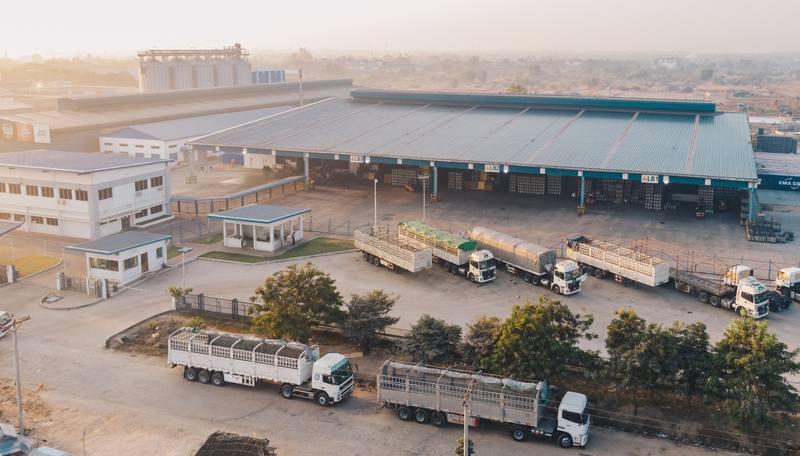
Today, Chinese elevators are not just granaries, but high-tech logistics complexes, where almost every stage of work is controlled automatically.
We will examine how modern Chinese elevators are designed and why their experience is of interest around the world.
Why Grain Storage Has Become a Strategic Task
For China, food security is a key national priority.
Even a high yield does not guarantee stability if much of the produce is lost during storage.
The main causes of grain loss:
- increased humidity;
- mold development;
- insects and pests;
- violation of temperature regime;
- errors during transportation;
- Long-term storage without grain control.
Therefore, the state invests huge funds in the construction of modern granaries and automation of processes.
How to build a modern Chinese elevator
Most new elevator systems are fully automated objects.
They are composed of:
- receiving terminals;
- quality control laboratories;
- grain-drying complexes;
- purification lines;
- storage silos;
- transport galleries;
- automatic loading systems;
- Digital control centers.
Almost all operations are performed without manual intervention, which allows you to minimize errors and speed up the processing of large volumes of products.
Quality control begins in the first minute.
After receipt of grain, each batch passes a mandatory check.
Specialists shall determine:
- humidity
- content of impurities;
- damaged grains;
- presence of pests;
- mold contamination;
- product class.
The further processing and storage scheme depends on the results of the analysis.
If the grain does not meet the humidity requirements, it is sent to dry.
Automatic cleaning and drying
Before laying for storage, grain undergoes several stages of preparation.
Modern cleaning lines remove:
- dust;
- stones;
- plant residues;
- metallic impurities;
- damaged grains.
Then the products enter the grain drying complexes.
Automatic dryers constantly monitor air temperature and humidity levels, preventing overheating of products.
This is especially important for preserving the quality of grain during long-term storage.
Smart silos instead of conventional warehouses
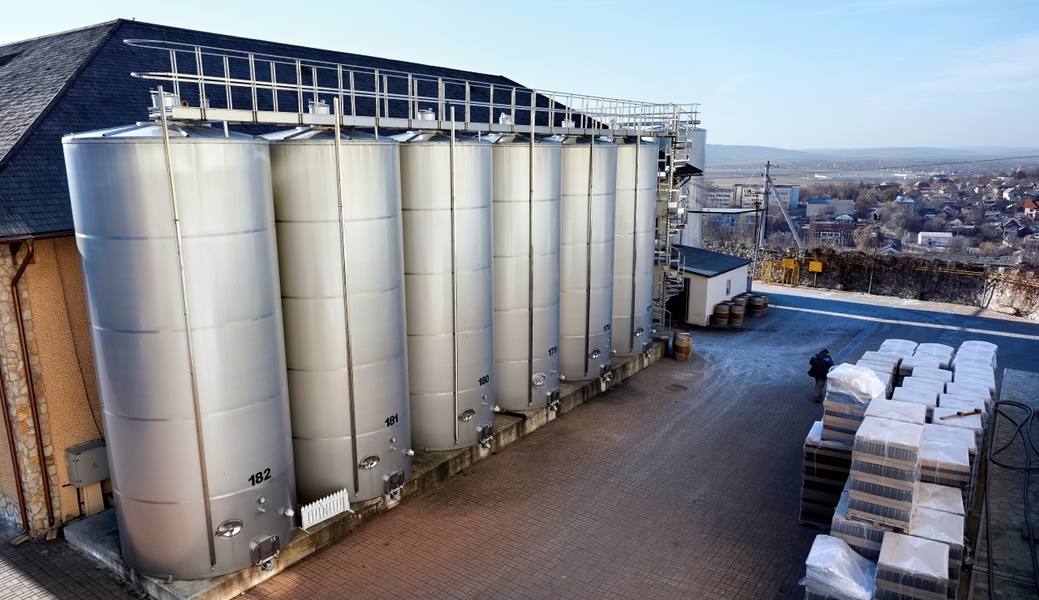
The main feature of modern Chinese elevators is intelligent storage systems.
Each silo is equipped with numerous sensors that monitor:
- temperature;
- humidity
- level of filling;
- air movement;
- carbon dioxide content;
- Possible pockets of self-heating.
Information is automatically transmitted to the control center.
At the slightest deviations, the system independently starts ventilation or notifies operators.
Artificial intelligence helps save crops
Many modern complexes already use artificial intelligence technologies.
Algorithms analyze a huge amount of information and are able to:
- predict temperature change;
- identify the risk of mold appearance;
- Calculate optimal ventilation conditions;
- control the loading of equipment;
- reduce energy consumption.
This allows not only to preserve the quality of grain, but also significantly reduce operating costs.
Robotics are becoming the norm
Many Chinese grain terminals use automated systems.
Robots help:
- moving equipment;
- inspect hard-to-reach areas;
- monitor the condition of silos;
- perform certain types of maintenance.
Some of the complexes are equipped with unmanned transport systems that independently move grain between production sites.
Digital control of each party
Each batch of grain receives its own digital identifier.
This makes it possible to track:
- place of origin;
- date of receipt;
- results of laboratory studies;
- storage conditions;
- movement within the complex;
- date of shipment.
This system ensures full traceability of products and greatly simplifies exports.
Why this is important for exports
Chinese customers and international partners are increasingly focusing on quality storage.
Modern elevators allow:
- Minimize losses;
- preserve the commercial properties of grain;
- ensure stable quality of supplies;
- confirm the origin of the products;
- comply with international food safety requirements.
This increases customer confidence and makes exports more competitive.
What conclusions can be drawn from Russian agribusiness
Russia is among the world’s largest grain producers, but the potential to reduce storage losses remains significant.
The experience of China shows that modern elevators are not just warehouses, but high-tech logistics centers where digital technologies directly affect business profits.
Investments in automation, monitoring systems, digital traceability and intelligent management not only save the crop, but also increase its value due to stable quality.
In the context of growing competition in the world market, storage efficiency becomes one of the factors determining the success of the exporter.