58% for the month: farmers of the Novosibirsk region sound the alarm because of rising prices for diesel fuel
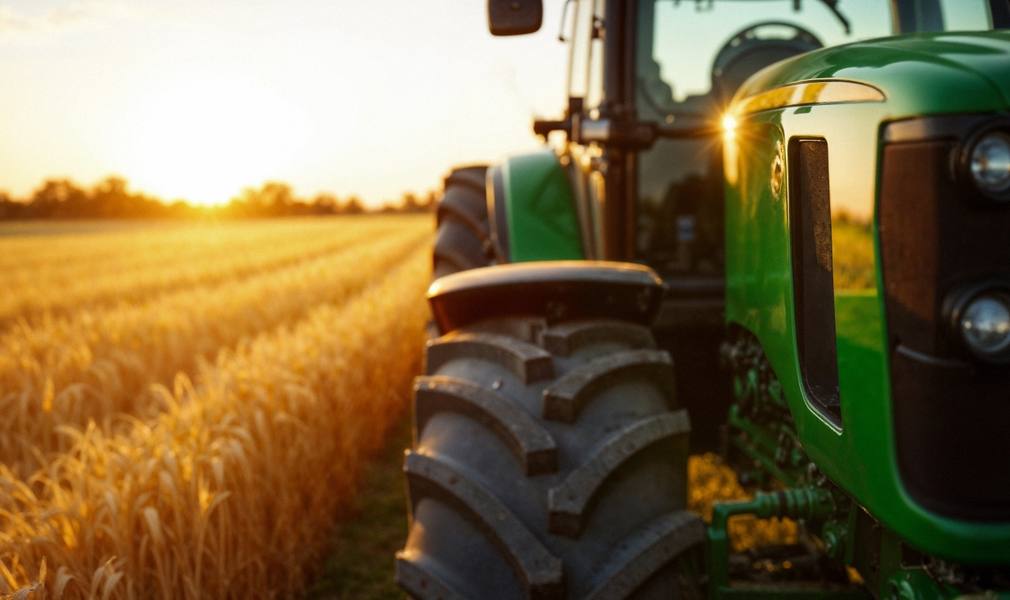
Of particular concern is the fact that the increase in costs is taking place against the background of a decrease in the profitability of agricultural production.
Russian agriculture has been operating for many years in an environment of rising costs, unstable markets and high credit load. However, the current situation in the diesel fuel market is particularly worrying. According to the Association of Farmers of the Novosibirsk region, in just one month the cost of diesel fuel for agricultural producers increased by 58%.
For an industry where fuel is a key resource, such a price spike is not just another expense. We are talking about the risks of disrupting seasonal work, reducing the profitability of farms and, ultimately, threatening the food security of entire regions.
Diesel fuel - base of the agricultural season
Sowing, processing of fields, harvesting of fodder, harvesting, transportation of crops – all these processes directly depend on the availability of fuel.
While in industry or services some of the costs can be optimized, shifted or compensated, in agriculture most seasonal work is strictly tied to weather conditions and agro-technological timing.
A farmer cannot postpone sowing for a month in anticipation of lower prices for fuel. Cannot postpone the harvesting campaign to the autumn of next year. Any delay leads to direct financial losses.
Therefore, the increase in the cost of fuel during the active agricultural season becomes a critical factor for thousands of farms.
What's going on in the fuel market?
According to the farming community, today a ton of diesel fuel in the Novosibirsk region costs from 93 to 115 thousand rubles, depending on the supplier.
A month ago, the cost was significantly lower.
In fact, in a short period there was a jump of more than one and a half times.
For large agricultural holdings, such growth is becoming a serious problem, but they often have reserves, working capital and access to concessional financing.
The situation is quite different for small and medium-sized farms.
They are the ones who are most vulnerable today.
Why can’t farmers buy in advance?
At first glance, it may seem that the problem can be solved simply: buy fuel before the start of the season at better prices.
In practice, this scenario is not available to everyone.
Fuel suppliers are ready to fix the cost only with full prepayment of large volumes.
However, most farms operate with limited working capital.
Many people simply do not have free funds for the purchase of fuel for several months ahead.
As a result, farms are forced to purchase diesel in small batches at current market prices.
Each new increase automatically increases the cost of production and reduces profits.
Farmers are being held hostage to a situation they cannot control.
Revenues aren't growing. Costs are rising rapidly
Of particular concern is the fact that the increase in costs is taking place against the background of a decrease in the profitability of agricultural production.
In recent years, farmers have faced an increase in the cost of almost all resources:
- fuel;
- spare parts;
- agricultural machinery;
- mineral fertilizers;
- plant protection products;
- logistics;
- bank financing.
At the same time, purchasing prices for crop production are growing much slower.
In some cultures, the situation is even worse.
So, according to representatives of the farming community, the cost of leguminous crops has almost halved over the past year.
It turns out a paradoxical situation: the cost of production is growing, and the income of producers is declining.
In such conditions, even successful farms begin to work on the verge of profitability.
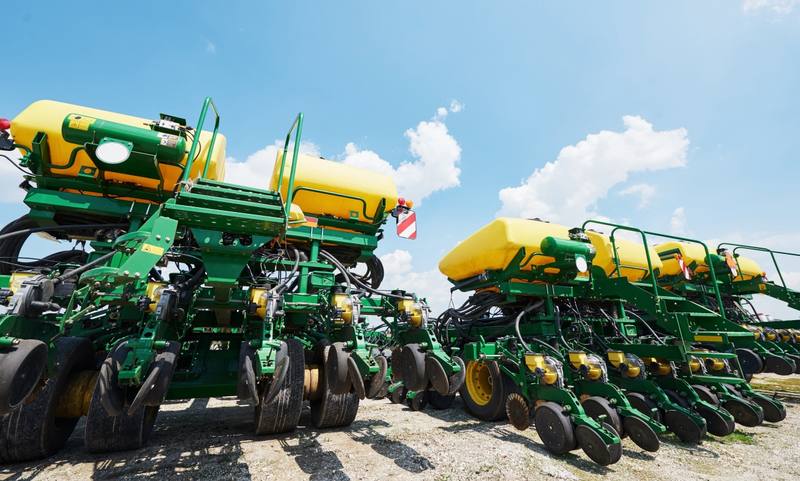
Where's the promised support?
Additional discontent of farmers is caused by the situation with state support measures.
The expected subsidy for reimbursement of part of the costs of production and sale of grain crops could become one of the sources of financing the purchase of fuel.
In the region, however, this support has been distributed to a limited number of recipients.
Most farmers were left without assistance.
Even more worrisome is the lack of a declared subsidy for agro-technological activities.
For many farms, these funds are an important part of the financial planning of the season.
When support is either selective or delayed indefinitely, farmers are forced to take on additional loans or cut back on workloads.
What does this mean for the region?
The problem has long gone beyond the private difficulties of individual farms.
If the trend continues, the effects could affect the region’s entire agro-industrial system.
Among the possible risks:
- reduction of sown areas;
- reducing the volume of feeding;
- reduced yield;
- increasing the debt burden of farms;
- Bankruptcy of small and medium-sized enterprises;
- further monopolization of the market by major players;
- Increased prices of agricultural products for the final consumer.
It is especially dangerous that such processes develop gradually and become noticeable even when it is much more difficult and expensive to correct the situation.
What do farmers offer?
The Association of Farmers of the Novosibirsk Region sent an official appeal to the Minister of Agriculture of the Russian Federation with a request to take urgent measures.
Among the possible tools to support the industry are discussed today:
- stabilization of prices for diesel fuel for farmers;
- expansion of programs of preferential provision of fuel;
- Increased availability of subsidies;
- acceleration of payments under existing support measures;
- creation of mechanisms of seasonal reserve of fuel for agricultural producers;
- Additional preferential lending for seasonal field work.
The main task is to provide farmers with predictable working conditions at least during the agricultural season.
It’s not just about agriculture.
When farmers talk about rising fuel prices, it's not just about their own spending.
Behind each hectare of crops are groceries on store shelves, prices for consumers, rural employment and food independence.
If today we do not pay attention to the problems of farmers, tomorrow the consequences will be felt not only by farms, but also by millions of Russians.
A 58% rise in the price of diesel in one month is no longer a market fluctuation or a local problem for individual companies.
This is a signal that requires a response.
And the sooner this signal is heard, the smaller the consequences for agriculture, the region’s economy and the country’s food security.