Регулирование и сертификация сельхозпродукции
Регулирование и сертификация сельхозпродукции — это сложная, многоуровневая система, которая обеспечивает безопасность и качество продуктов.
Сельскохозяйственная продукция — это основа продовольственной безопасности любой страны. Чтобы на рынок попадали только безопасные и качественные товары, действует система регулирования и сертификации. Она охватывает все этапы: от выращивания и переработки до упаковки и реализации.
Разберем, как устроена эта система, какие виды сертификации существуют и что должен учитывать бизнес.
Государственное регулирование
Контроль за сельхозпродукцией строится на сочетании законов, стандартов и надзора.
Основные задачи:
- обеспечение качества и безопасности продуктов питания;
- защита внутреннего рынка от опасной или фальсифицированной продукции;
- выполнение международных обязательств и норм ВТО;
- контроль за использованием пестицидов, удобрений и ветеринарных препаратов.
Органы контроля (пример на России):
- Минсельхоз — формирует политику в агропромышленной сфере;
- Роспотребнадзор — отвечает за санитарные и гигиенические требования;
- Россельхознадзор — контролирует фитосанитарные и ветеринарные нормы, а также импорт/экспорт.
Стандарты и нормативы
Регулирование опирается на систему стандартов:
- ГОСТы и ТУ (технические условия) — определяют требования к качеству, упаковке, хранению.
- СанПиНы — устанавливают санитарные и гигиенические нормы.
- Международные стандарты (ISO, Codex Alimentarius, GLOBAL G.A.P.) — обязательны для выхода на зарубежные рынки.
Виды сертификации сельхозпродукции
1. Обязательная сертификация
- Проводится для продукции, которая может представлять риск для здоровья.
- Подтверждает соответствие санитарным, ветеринарным и фитосанитарным нормам.
- Примеры: мясо, молоко, рыба, зерно, овощи, корма.
2. Добровольная сертификация
- Не обязательна по закону, но помогает повысить доверие покупателей.
Используется для выделения продукции как «экологически чистой», «органической» или «фермерской».
3. Фитосанитарные и ветеринарные сертификаты
- Нужны для импорта и экспорта.
- Подтверждают, что продукция свободна от карантинных вредителей и болезней.
4. Сертификаты соответствия стандартам качества
- ISO 22000 (система менеджмента безопасности пищевых продуктов);
- GLOBAL G.A.P. (глобальные стандарты для сельхозпроизводителей);
- HACCP (анализ рисков и критические контрольные точки).
Как проходит процесс сертификации
- Заявка от производителя или импортера.
- Проверка документации — декларации, спецификации, ветеринарные свидетельства, результаты лабораторных исследований.
- Испытания в аккредитованной лаборатории.
- Выездная инспекция (для ряда категорий продукции).
- Выдача сертификата или декларации.
- Периодический контроль в течение срока действия документа.
Международный аспект
Для выхода на зарубежные рынки нужно учитывать:
- требования страны-импортера (например, Китай требует отдельные фитосанитарные сертификаты на зерно и масличные культуры);
- международные стандарты качества;
- участие в программах «органической сертификации».
Например, для ЕС обязательным является знак EU Organic, а для США — USDA Organic.
Текущие вызовы и тренды
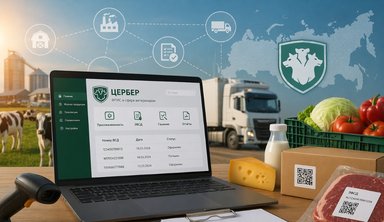
- Цифровизация — переход к электронным сертификатам (в России действует система «Меркурий» для ветеринарного контроля).
- Трассируемость — покупатели и регуляторы требуют прослеживаемости продукции от поля до полки.
- Экологичность — растет спрос на органическую продукцию и био-сертификацию.
- Борьба с фальсификатом — ужесточение контроля за маркировкой и составом.
Регулирование и сертификация сельхозпродукции — это сложная, многоуровневая система, которая обеспечивает безопасность и качество продуктов. Для производителей и поставщиков она одновременно и обязанность, и возможность: соблюдая требования, можно выходить на международные рынки и завоевывать доверие потребителей.
В ближайшие годы сертификация станет еще более цифровой, прозрачной и экологически ориентированной. Компании, которые будут учитывать эти тренды, получат конкурентное преимущество.