New rules for the introduction of equipment at railway terminals in Russia: digitalization, import substitution and infrastructure control
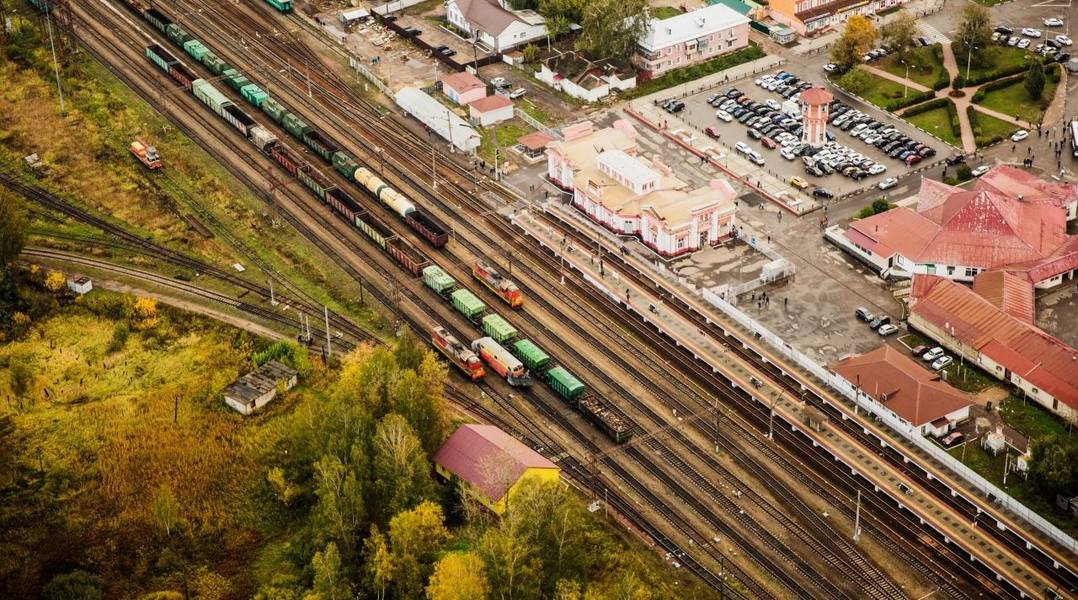
In many cases, terminals receive recommendations to switch to Russian software solutions and use local data centers.
Russian railway terminals are undergoing a major transformation. The changes affect not only the routes of cargo flows, but also the approach to equipping the logistics infrastructure. In the past, the modernization of terminals was built around the speed of cargo handling and economic efficiency, but now it is increasingly about technological independence, safety and control of the origin of equipment.
These processes are especially noticeable at export, container logistics and international transport corridors. Any new equipment - from cranes to digital control systems - Now there is a much more complex process of verification and approval.
Why the demands have become tougher
There are several reasons. Mainstream - Changing geopolitical situation and increasing sanctions pressure on Russian transport infrastructure. Many European equipment manufacturers have cut supplies, limited service support or left the market entirely.
Against this background, the state began to pay special attention to several areas:
- origin of equipment and components;
- Software security;
- Stability of terminals to external restrictions;
- Transition to Russian and Asian technologies.
Modern terminal - This is no longer just a place for containers. This is a digital facility connected with Russian Railways systems, customs, electronic document management and cargo monitoring platforms. That is why the control of infrastructure is increasing every year.
What has changed for terminals?
Today, the introduction of equipment is accompanied by a much deeper analysis of the supplier and the technology itself. Not only the technical part, but also the entire chain of origin of the equipment is checked.
Particular attention is paid to:
- automation systems;
- server equipment;
- video surveillance systems;
- terminal software;
- industrial electronics;
- Remote access equipment.
In many cases, terminals receive recommendations to switch to Russian software solutions and use local data centers.
China strengthens its position in the equipment market
After the departure of some European companies, the Russian market is increasingly occupied by Asian manufacturers. China’s presence is growing particularly rapidly.
Today, Chinese companies supply:
- container cranes;
- Richstackers;
- loading systems;
- equipment for grain terminals;
- Digital warehouse management systems.
For many terminals, this is no longer a temporary measure, but a complete restructuring of the technical model of work.
At the same time, Russian operators try to avoid total dependence on one supplier. Therefore, a mixed approach is increasingly used: Asian technology is combined with Russian software and local security systems.
Digitalization becomes the main direction of modernization
Logistics infrastructure is becoming increasingly digital. The terminals introduce intelligent cargo flow management systems, automatic container handling and electronic wagon traffic control.
The most active are:
- WMS and TOS systems;
- electronic document management;
- automatic recognition of containers;
- digital control of warehouses;
- cargo flow analytics systems.
But along with digitalization, cybersecurity demands are growing. Increasingly, upgrades are accompanied by software audits and data channel checks.
How it affects business
For terminal operators, the new rules mean higher costs and longer upgrade times. If earlier installation of equipment was primarily a commercial process, now it is closely related to government regulation.
Companies face several challenges at once:
- increase in the cost of equipment;
- Deficiency of some components;
- complex supply logistics;
- the need for additional certification;
- Restructuring the service.
It is especially difficult for facilities that for many years worked exclusively on European technologies.
Terminals become part of Russia’s new transport strategy
With the reorientation of trade, Russian railway terminals are gaining strategic importance. New routes to China, the BRICS countries, Central Asia and the Middle East pass through them.
That is why modernisation of infrastructure is not considered as a local business task, but as part of a large state transport policy.
In the coming years, the market is likely to see:
- further growth of automation;
- strengthening import substitution;
- localization of equipment production;
- development of Russian IT solutions;
- Increase the role of Asian suppliers.
The new rules for the introduction of equipment to Western Russian railway terminals show how quickly the entire logistics industry of the country is changing. Infrastructure is becoming more digital, more regulated and at the same time more independent of Western technology.
For business, this is a period of difficult adaptation, but now a new model of the Russian transport system is being formed. - With other suppliers, new routes and completely different security and technology requirements.


